
Solar Grazing: Integrating Livestock and Renewable Energy to Boost Farm Revenue
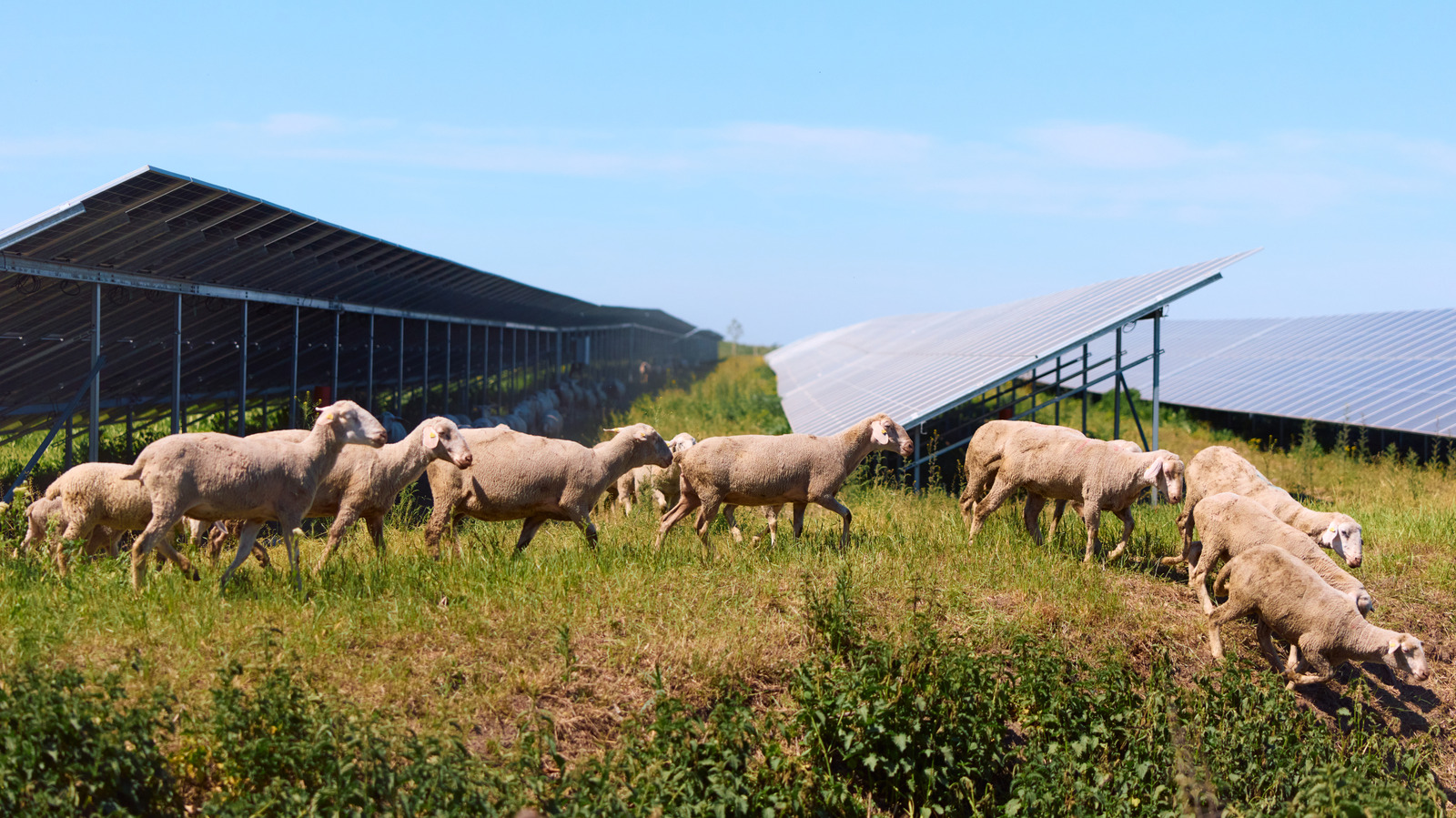
As land scarcity intensifies, the concept of dual-use agriculture is gaining momentum across European farms. Solar energy installations, which occupy vast tracts of land, have traditionally struggled with vegetation management. While mechanical mowing is expensive and often damages sensitive infrastructure, sheep grazing offers a natural and cost-effective alternative that maintains site productivity.
For farmers, this synergy creates a reliable secondary income stream. Solar farm operators are increasingly willing to pay for grazing services because sheep naturally control vegetation, reducing the risk of fire and shading panels. This allows farmers to diversify their revenue beyond traditional crop production or livestock cycles, providing a buffer against volatile commodity prices.
Beyond the immediate financial gain, this model improves soil health within solar arrays. Targeted grazing encourages pasture recovery and promotes biodiversity, as sheep provide natural fertilization without the need for synthetic inputs. For livestock farmers, this represents a unique opportunity to expand their operations without needing to lease or purchase additional high-cost acreage.
However, successful integration requires careful planning regarding site logistics. Farmers must ensure that fencing, water access, and livestock safety standards are compliant with renewable energy infrastructure. The temperament of the flock and the specific breed chosen play a significant role in minimizing damage to cables or sensitive hardware.
Context for farmers: Integrating sheep into solar arrays offers a consistent, contract-based revenue stream that is largely decoupled from crop market fluctuations. Evaluate your existing grazing capacity and local solar project density to determine if this dual-use model could stabilize your seasonal cash flow.
— agronom.work editorial team