
Scotland Expands Bluetongue Restriction Zone to Ease Livestock Movement
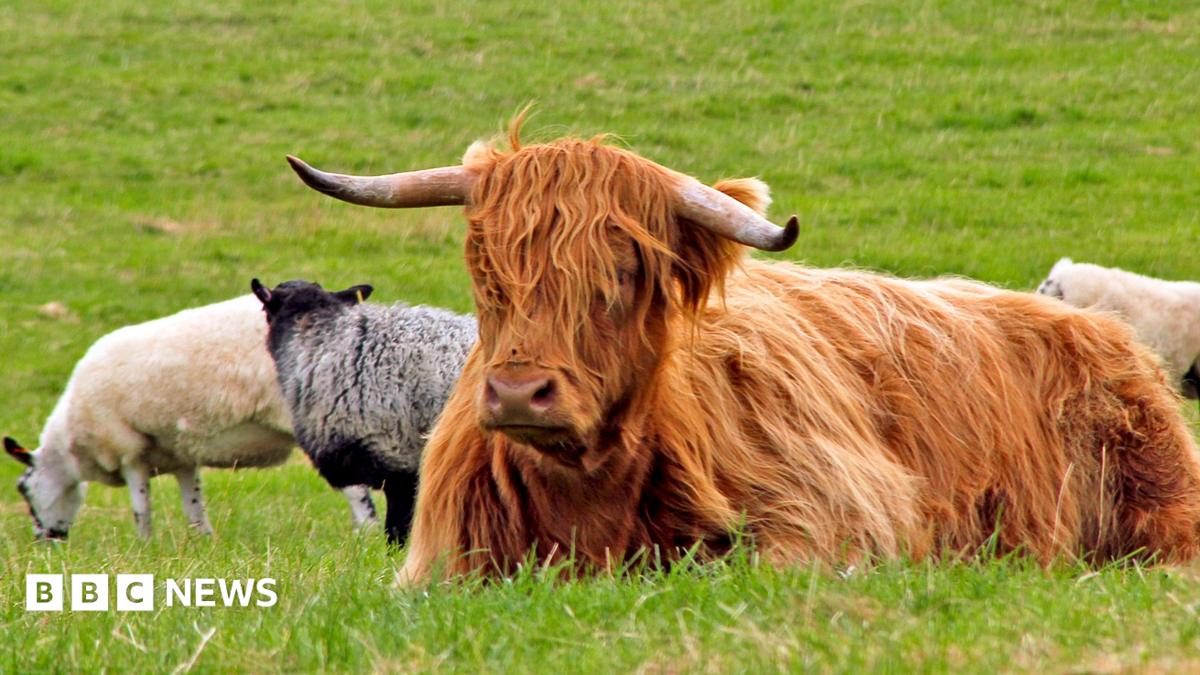
Livestock farmers across Scotland are navigating new regulatory terrain as restrictions aimed at controlling the bluetongue virus have been extended to cover the entire country. Bluetongue is a non-contagious, insect-borne viral disease that primarily affects ruminants such as sheep, cattle, goats, and deer. While it does not affect human health or food safety, outbreaks can severely impact animal welfare, cause milk yield drops, and lead to significant economic losses for livestock producers through trade bans and mortality.
The decision to place the entire nation under restriction might seem counterintuitive at first glance, but agricultural authorities and government ministers emphasize that this uniform approach is designed to simplify logistics. Previously, patchy regional zones created a complex bureaucratic maze for producers trying to move animals between farms, auction marts, and processing facilities. By designating the whole of Scotland as a single zone, the regulatory friction is substantially reduced, allowing for smoother supply chain operations.
For beef and sheep farmers, this means that moving stock within the country will no longer require cumbersome individual licensing hurdles that previously delayed finishing operations and store-to-feedlot transfers. However, producers must remain vigilant regarding vector control and monitoring animal health closely. Bluetongue is transmitted by Culicoides midges, meaning that seasonal weather patterns and temperature heavily influence the risk of infection and the geographic spread of the virus across European pastures.
The Scottish agriculture sector has been watching European trends closely, given that neighboring regions in England and parts of continental Europe have battled significant strains of the virus in recent years. Vaccination remains one of the primary lines of defense, alongside strict biosecurity protocols and monitoring of livestock import vectors. While the nationwide zone facilitates domestic trade, producers intending to export breeding stock or commercial animals internationally or to non-restricted regions will still need to adhere to rigorous testing and certification protocols.
Ultimately, this administrative shift is a pragmatic adaptation to a persistent biological threat, balancing disease control with the economic imperative of keeping the agricultural supply chain moving. Livestock keepers are encouraged to stay updated with official guidance from veterinary authorities to ensure full compliance with residual movement conditions and to report any clinical signs of the virus immediately.