
Singapore Scientists Pioneer Climate-Friendly Rice to Boost Farmer Incomes
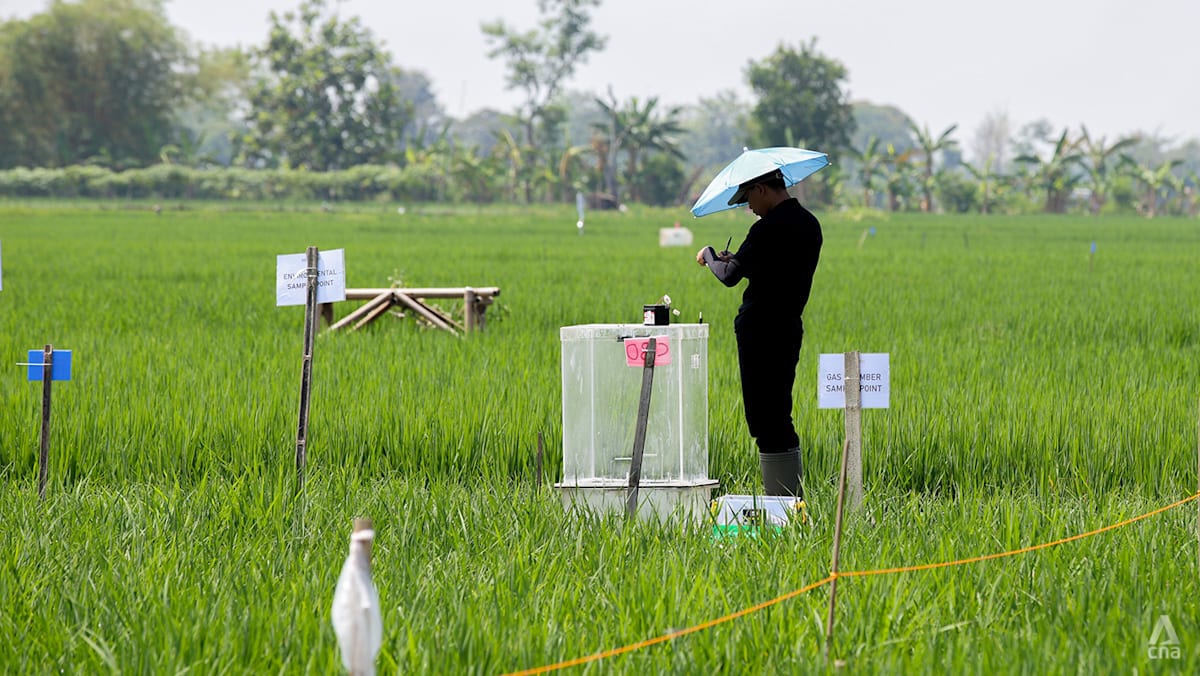
The global drive to decarbonize agriculture is targeting one of the world's most widely consumed and emission-intensive crops: rice. Scientists in Singapore are spearheading a new initiative to revolutionize rice cultivation, partnering with regional farmers to test advanced agritech methodologies in the field.
Traditional rice farming, particularly the practice of continuously flooding paddies, is a well-known source of methane—a potent greenhouse gas. The new techniques being trialed aim to disrupt this cycle through optimized water management, such as alternate wetting and drying, alongside targeted soil treatments. These scientific interventions are designed to dramatically lower the crop's carbon and methane footprint.
Crucially for the agricultural sector, this transition is not being positioned as a financial burden. The Decarbonising Rice Project, supported by groups like the Philanthropy Asia Alliance and Temasek Trust, is built on the premise that sustainability must be profitable. Early trials indicate that these climate-friendly methods actually boost farmer incomes by delivering more robust plants and better overall harvests.
While rice is primarily grown in southern regions or Asia, the core philosophy of this project resonates deeply with European agriculture. As farmers across Poland, Germany, and Ukraine navigate increasingly stringent environmental regulations and the demands of the EU Green Deal, the focus is shifting toward "win-win" agronomic practices. Innovations that reduce emissions without sacrificing yield—and ideally improving it—are becoming the new standard.
Worth noting: The influx of significant institutional and philanthropic funding into emission-reducing agricultural methods signals a broader market shift. European farmers and agritech specialists should monitor these global trials, as similar investment models and soil/water management principles are actively being adapted for wheat, corn, and other staple crops in our region.
— agronom.work editorial team