
Slug sleuths: New predictive data tools to curb crop damage
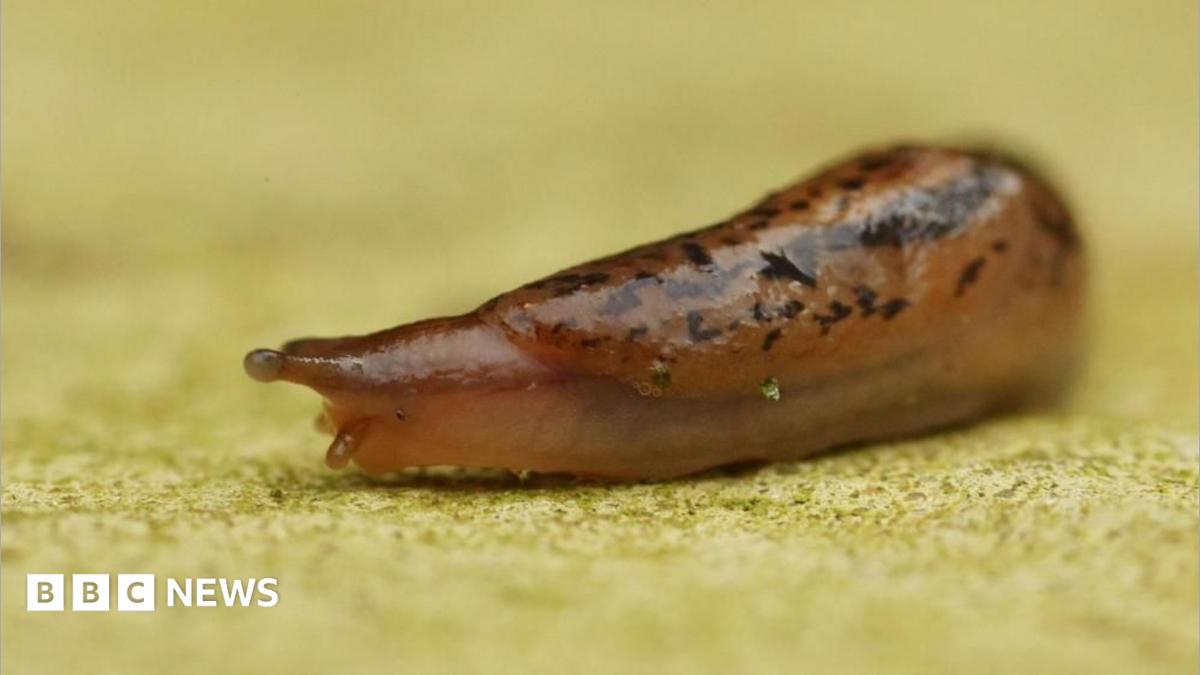
Arable farmers across Europe are facing increased pressure from mollusc populations as changing weather patterns create ideal breeding conditions. A recent research initiative involving a group of specialized “slug sleuths” is now turning the tide by utilizing localized data collection to predict pest outbreaks before they decimate young seedlings.
By monitoring soil moisture levels, crop stages, and local slug population densities, researchers have identified key triggers for increased feeding activity. This data-driven approach moves away from the traditional “blanket” application of pellets, which often incurs high costs and can negatively impact non-target species and soil biodiversity.
The project highlights a shift toward precision pest management. Instead of relying on rigid calendar-based treatments, farmers are learning to cross-reference weather forecasts with actual field trapping results. This allows for targeted intervention only when risk thresholds are met, saving on input costs while maintaining crop vigor during the vulnerable establishment phase.
For agronomists, this model of farmer-led data collection offers a blueprint for how on-farm observations can be digitized to create more robust regional warning systems. As active ingredient availability remains under scrutiny by EU regulators, the ability to manage slug pressure through predictive timing rather than reactive, high-volume dosing is becoming essential for sustainable production.
Context for farmers: By integrating localized slug monitoring with precision decision-making tools, you can significantly reduce expenditure on chemical molluscicides while protecting crop density. Consider implementing consistent field trapping protocols to identify high-risk zones, allowing for spot-treatment strategies that preserve profit margins and improve field biodiversity.
— agronom.work editorial team