
US Senate fertilizer hearing: Farmers ‘can’t take much more’ as prices surge
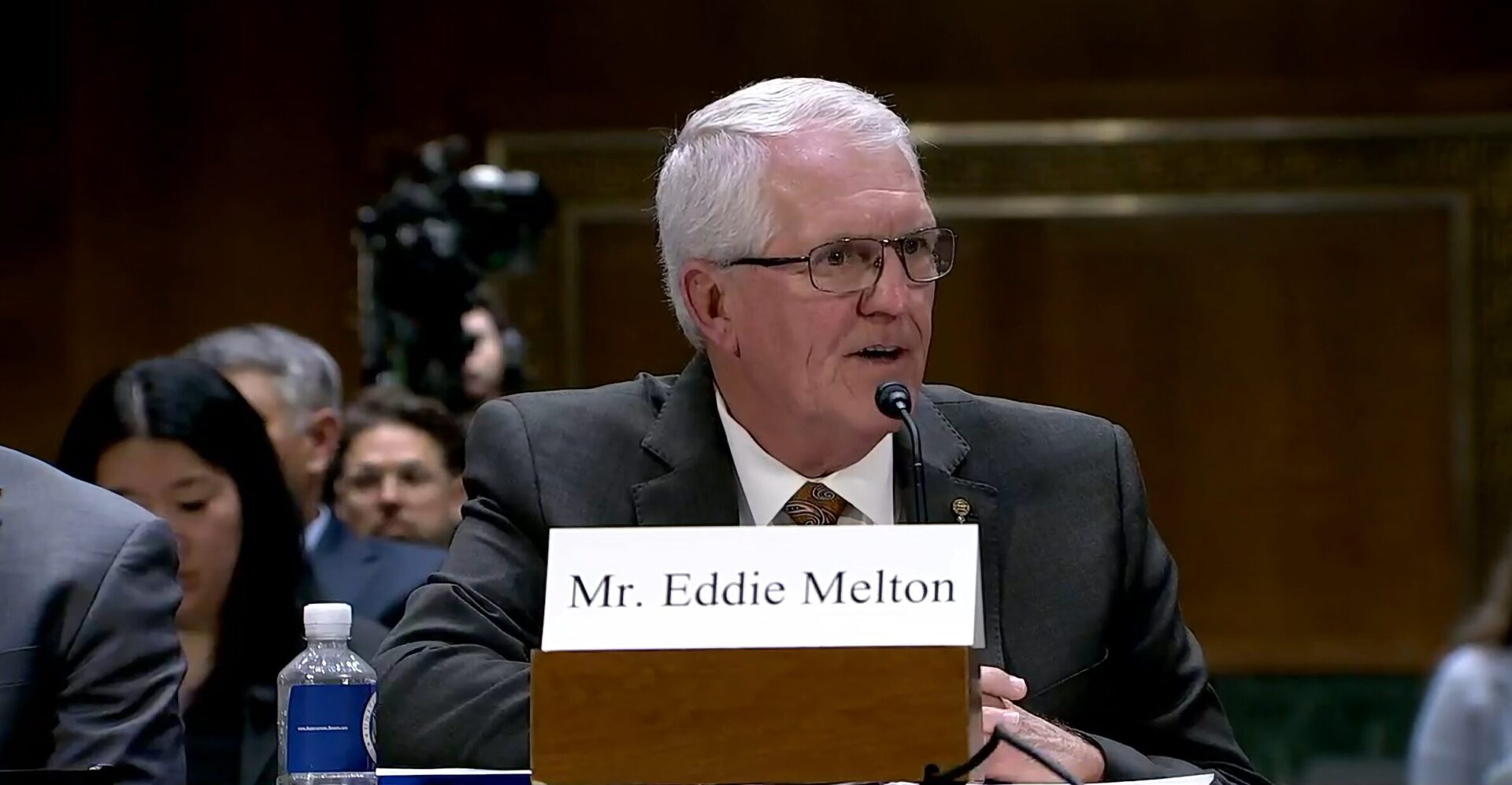
Soaring fertilizer prices are pushing agricultural producers to a breaking point, with experts testifying before the US Senate Committee on Agriculture, Nutrition & Forestry that the crisis is driven by more than just geopolitical conflicts. While the current instability in the Middle East has exacerbated supply chain issues, witnesses highlighted long-standing concerns regarding the extreme consolidation of the domestic fertilizer industry, which gives a handful of dominant companies immense control over pricing and supply.
Testimony provided by industry advocates and farm groups pointed to a market landscape where nitrogen, phosphate, and potash production are controlled by just a few major players. This concentration of market power allows these entities to maintain elevated prices and restrict supply, often at the expense of competitive pressure. Concerns were raised that producers have faced years of unpredictable price spikes that appear disconnected from underlying input costs or shifts in actual market demand, leading to calls for increased antitrust scrutiny.
The hearing also explored the potential for technological solutions to reduce dependence on synthetic inputs. While many farmers are already adopting precision agriculture tools and variable rate application to optimize nutrient usage, witnesses emphasized that biological alternatives and biostimulants are not yet sufficient to fully replace conventional fertilizer. Furthermore, experts noted that regulatory uncertainty regarding these new technologies, particularly in the US compared to the EU and other regions, is currently stifling the innovation needed to provide farmers with durable alternatives.
Purchasing strategies have become increasingly complex for the current growing season, as unpredictable weather and rising costs force many operators to abandon early booking or prepayments in favor of just-in-time purchasing. This shift exposes farmers to greater volatility, especially as fuel prices for transport and field operations continue to climb alongside fertilizer costs. Without a clear federal path toward market stabilization or increased domestic competition, many operations are finding their financial viability under severe, unsustainable pressure.
What this means for the market: The focus on fertilizer transparency legislation and the push for decentralized, on-farm nitrogen production indicate a shifting landscape that may eventually offer farmers more choice, though near-term relief remains unlikely. Growers should continue to prioritize soil testing and precision application to maximize existing nutrient efficiency while monitoring legislative developments that could impact input procurement models in the coming seasons.
— agronom.work editorial team