
Smart Paint Reflects 97% of Sunlight: A Potential Game-Changer for Livestock and Grain Storage
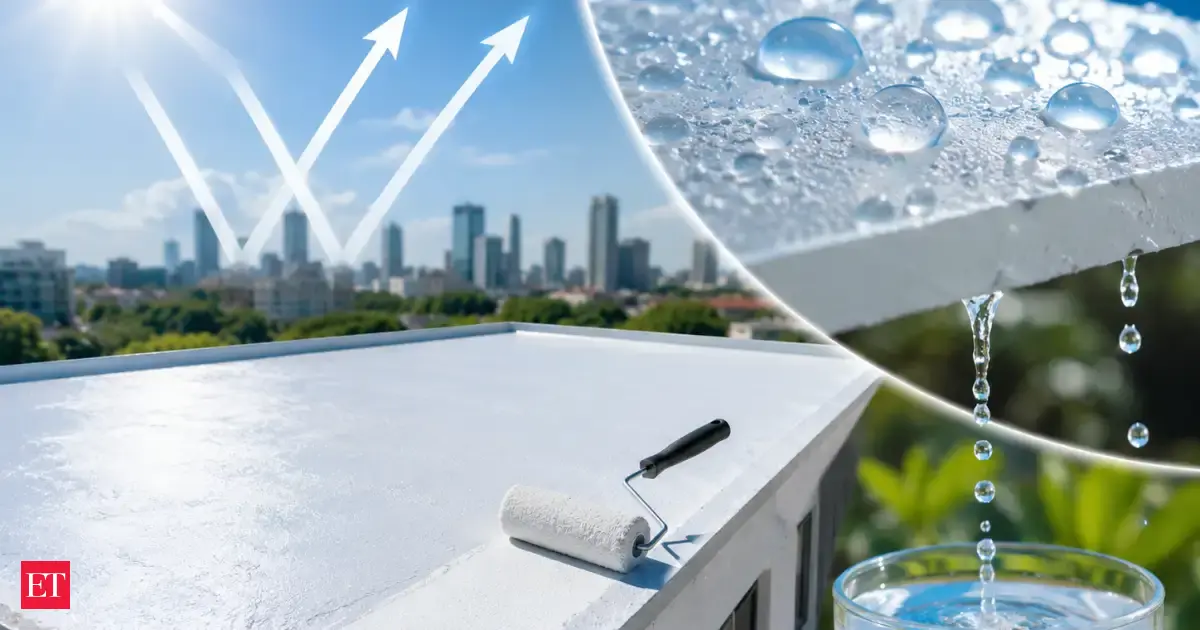
Heatwaves are a growing threat to European agriculture, driving up energy costs and threatening the health of livestock. Now, an experimental "smart paint" developed by researchers at the University of Sydney could offer a passive, dual-purpose solution for farms, capable of reflecting up to 97 percent of sunlight.
Unlike traditional white paints that only reflect a portion of the sun's rays, this advanced coating drastically reduces surface temperatures. For the agricultural sector, this could mean significantly cooler interiors for poultry houses, dairy barns, and swine facilities without relying heavily on energy-intensive ventilation or air conditioning systems.
Heat stress in livestock directly correlates with reduced milk yields, lower egg production, and slower growth rates. By maintaining lower ambient temperatures inside farm buildings, this coating could directly improve animal welfare and productivity. Furthermore, applying it to grain silos and storage hangars could prevent spoilage and post-harvest losses caused by overheating.
Beyond temperature control, the most intriguing feature of this smart paint is its ability to harvest moisture directly from the air. In regions facing increasing summer droughts, any technology that supplements water supplies passively represents a significant advantage for rural operations.
While currently in the experimental phase, the commercialization of such coatings could shift how agricultural infrastructure is designed. It turns passive surfaces like expansive barn roofs into active participants in farm microclimate management.
Worth noting: Keep an eye on commercial availability. For farmers planning new infrastructure or renovating old roofs, integrating hyper-reflective materials could soon become a standard, cost-effective defense against extreme summer heat.
— agronom.work editorial team