
Soil's Silent Invader: Microplastics in European Agriculture
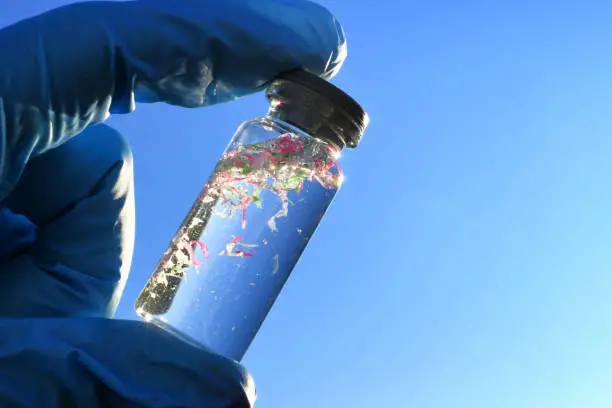
The ubiquitous presence of plastic in modern life, from consumer goods to industrial applications, has an often-unseen consequence for agriculture: the proliferation of microplastics. These tiny fragments, less than 5mm in size, result from the gradual degradation of larger plastic items. While plastics are valued for their durability and low cost, their environmental persistence means that what once seemed a miracle material now poses a complex, long-term challenge to agricultural ecosystems across Europe.
For European farmers and agronomists, microplastics are not just an external environmental issue; they are increasingly becoming an internal farm management concern. They infiltrate agricultural lands through various channels: the breakdown of plastic mulches, greenhouse films, and irrigation pipes used on farms, contamination in treated sewage sludge often applied as fertilizer, and even via airborne particles or runoff from nearby urban areas. This widespread introduction means almost every farm, regardless of its specific practices, faces exposure.
The impact on soil, the very foundation of farming, is a primary concern. Microplastics can alter soil structure, affecting aeration and water retention capacity. They can also interfere with the delicate balance of soil microbial communities, which are crucial for nutrient cycling and overall soil fertility. Studies suggest these particles can act as vectors for pollutants and pathogens, potentially compromising soil health and, by extension, crop vitality and yield potential.
Beyond the soil, there are growing concerns about the uptake of microplastics by crops. Research indicates that plants can absorb these tiny particles through their roots, potentially translocating them into edible parts. This raises questions about food safety and the long-term health implications for both humans and livestock consuming contaminated produce or feed. For European producers, this could eventually lead to new challenges regarding product marketability and consumer trust.
Addressing the microplastic issue will require a multi-faceted approach. While regulations on plastic use and waste management are evolving, farmers may need to consider alternative agricultural inputs, investigate advanced filtration systems for irrigation, and explore soil remediation techniques. The challenge underscores the need for continued research into biodegradable alternatives for agricultural plastics and innovative practices to safeguard the long-term productivity and environmental integrity of European farms.