
Soybean Prices Sink to Two-Month Low on US Harvest Pressure and Weak Energy Markets
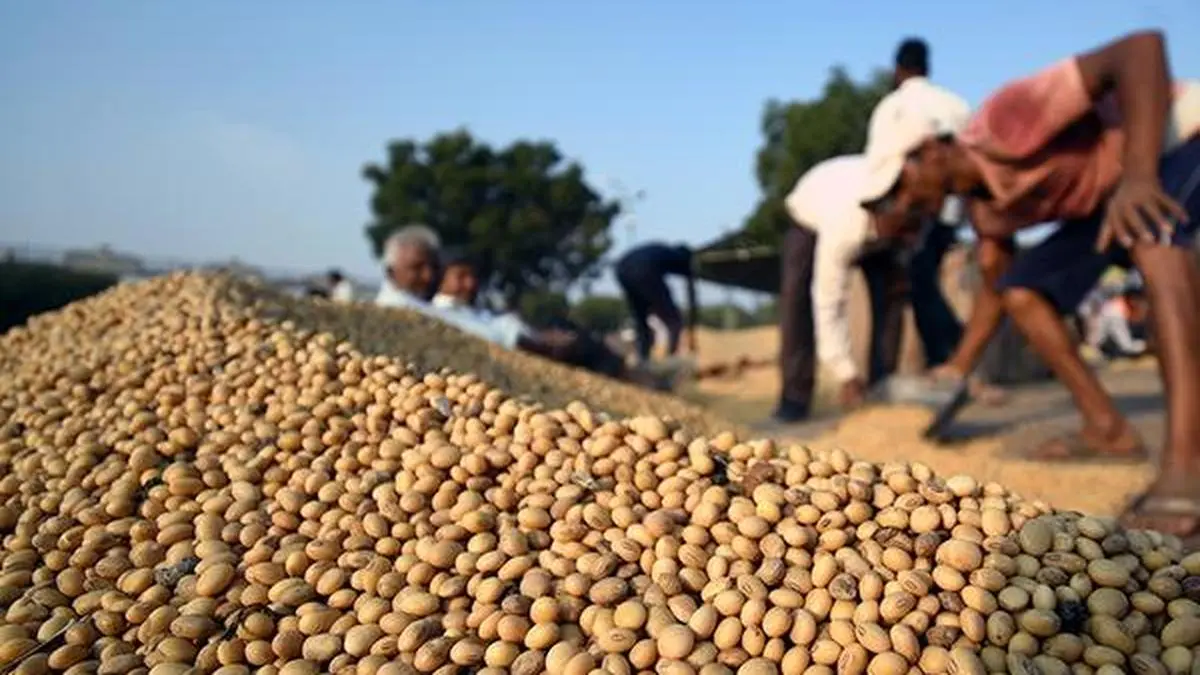
Global oilseed markets have experienced a notable downturn, with Chicago soybean futures sliding to a two-month low. The primary driver behind the correction is the heavy influx of supply from the ongoing record US harvest, which is exerting substantial downward pressure on commodity prices globally. Farmers and traders across Europe are closely monitoring these developments, as international futures benchmarks directly influence domestic feed and oilseed valuations.
Adding to the pressure on the oilseed complex, crude oil prices have weakened significantly. Because a substantial share of global soybean and vegetable oil production is tied to biodiesel feedstock, falling energy prices reduce the industrial demand for agricultural oils. This macroeconomic shift quickly translates into softer cash bids for soybeans and competing oilseeds such as rapeseed and sunflower seed across processing plants in the European Union.
Meanwhile, the broader grain complex faced a mixed session. Corn futures followed soybeans downward, pressured by ample supplies and competitive export offerings from major origins. Wheat prices also posted losses, although the downside was firmly cushioned by persistent logistical bottlenecks and geopolitical tensions in the Black Sea region. Any persistent disruption to Ukrainian and Russian grain corridors continues to inject a high degree of volatility into European milling wheat markets.
For European agronomists and farm managers, these global commodity shifts highlight the complex interplay between energy markets, domestic harvest progress, and export logistics. While lower soybean import costs may offer some relief to the intensive livestock and feed sectors in countries like Poland, Germany, and the Netherlands, they simultaneously squeeze domestic oilseed growers who face tighter margins heading into the winter storage and marketing season.
Context for farmers: Grain and oilseed producers should evaluate their storage capacities and marketing strategies closely in light of abundant global supplies and volatile energy markets. Keeping a close eye on Black Sea shipping developments and regional processing demand will be vital for optimizing grain sales in the weeks ahead.
— agronom.work editorial team