
The Competition for Land: Balancing Solar Power and Agricultural Production
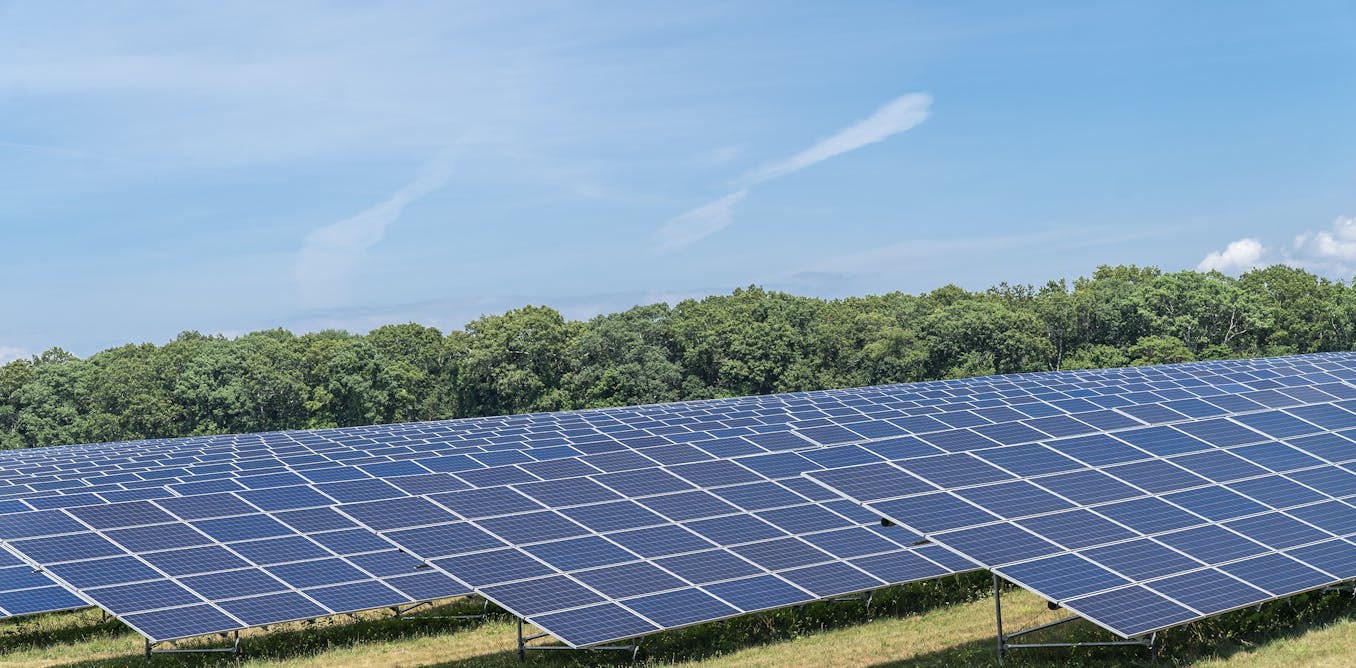
The accelerating transition to renewable energy is creating an unprecedented demand for land, sparking a complex debate between energy developers and the agricultural sector. As nations strive to meet ambitious climate goals, large-scale solar installations are increasingly competing for valuable arable land. This trend, highlighted by recent energy policy shifts globally, is acutely felt across Europe, where open space is at a premium.
For many farmers and landowners, leasing property for solar farms presents a highly lucrative alternative to traditional crop production. Energy companies often offer long-term lease rates that significantly outpace the profit margins of conventional farming. This makes it an attractive financial proposition, especially for lands with lower yields or during periods of volatile commodity prices.
However, this shift raises serious concerns within the agricultural community regarding long-term food security and the loss of prime farming acreage. Policymakers and agricultural organizations are currently grappling with how to balance green energy targets without compromising local food production. The ongoing debate centers on the need to direct solar investments toward marginal, degraded, or industrial lands rather than fertile soils, even though developers often prefer flat, easily accessible farmland.
To bridge this divide, the concept of agrivoltaics—combining agriculture and solar power generation on the same parcel of land—is gaining significant traction. Innovative systems are being designed to allow for sheep grazing, the cultivation of shade-tolerant crops, and even specialized orchard management beneath elevated solar panels. This dual-use approach offers a promising pathway to harvest both energy and crops, maximizing land efficiency.
What this means for the market: The growing competition for land implies that lease prices for rural acreage will likely continue to rise, presenting both opportunities and challenges for expanding farm operations. Farmers approached by energy developers should carefully evaluate long-term soil impacts and consider negotiating for agrivoltaic setups that allow them to maintain agricultural activities while benefiting from energy revenues.
— agronom.work editorial team