
Solar Push in Agriculture: Lessons for European Farms from India’s ₹51,000 Crore Plan
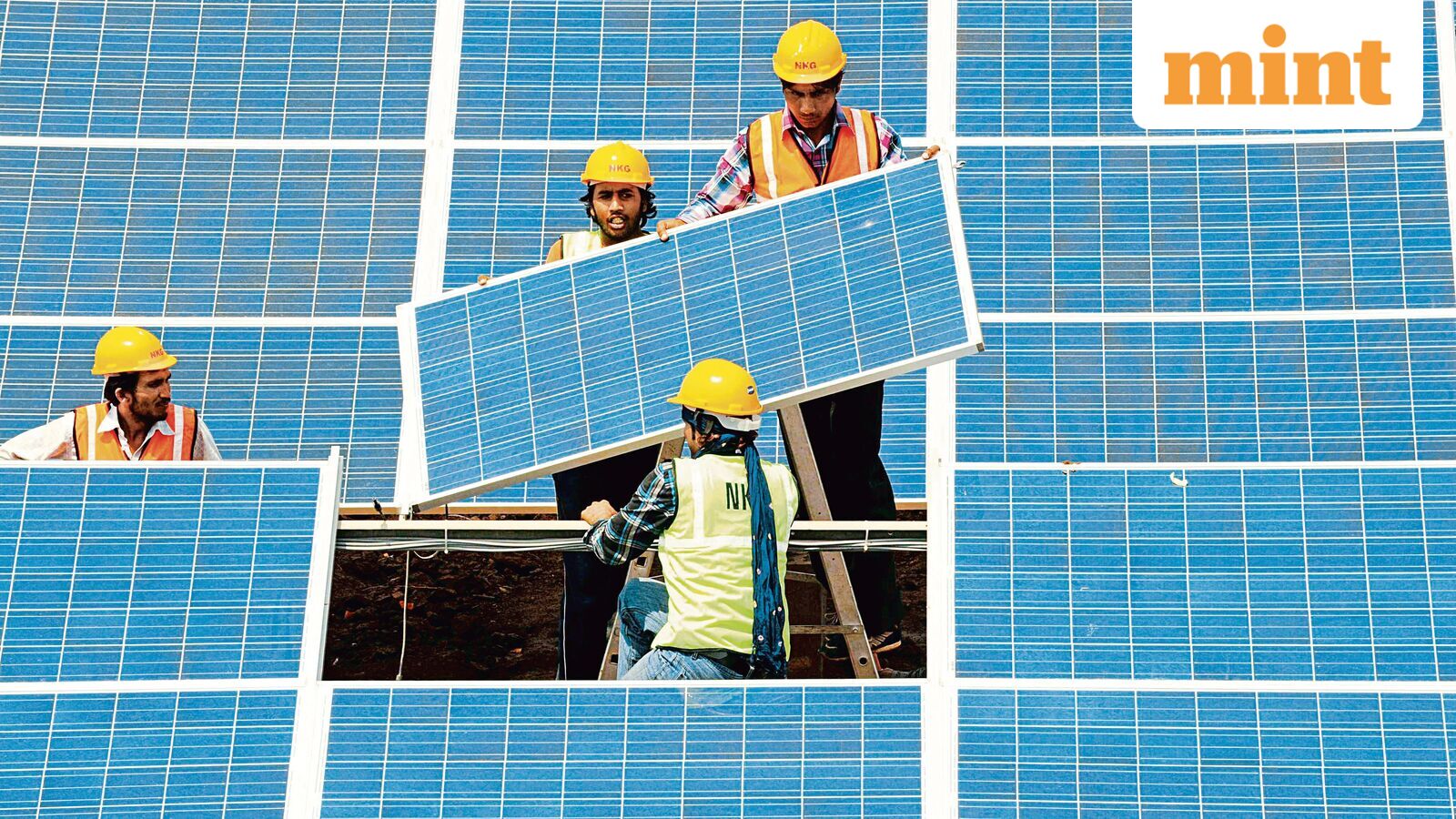
A massive financial push aimed at transitioning agricultural energy consumption to solar power highlights a global shift in how primary producers secure electricity. The proposed expansion focuses heavily on shifting direct power subsidies toward project commissioning, supporting 10 gigawatts of new agriphotovoltaic installations, and integrating crucial battery storage solutions at the rural feeder level.
For European farm managers and agritech specialists, energy independence is increasingly vital as grid electricity costs and diesel prices for irrigation pumps fluctuate unpredictably. Agrivoltaics—the dual use of land for both agricultural production and solar energy generation—represents a growing frontier across countries like Germany, the Netherlands, and Poland, where land competition is fierce and farmers seek reliable auxiliary income streams.
The integration of battery storage mentioned in the initiative is particularly relevant for intensive crop production and livestock facilities that cannot afford grid downtime during critical irrigation or milking windows. Decentralized solar infrastructure allows farms to buffer energy, reducing peak-hour utility tariffs and securing operations against supply disruptions.
While European agricultural policies currently rely heavily on schemes like the Common Agricultural Policy (CAP) and various national green transition funds, large-scale state-backed capital expenditure for on-farm renewable energy remains unevenly distributed. Producers often face bureaucratic hurdles when connecting high-capacity solar arrays or storage units back to regional rural grids, slowing down agritech adoption.
As input costs continue to pressure farm margins across the European Union, mimicking these targeted capital injections into rural solar infrastructure could offer a blueprint for stabilizing long-term operational expenses. Whether through standalone solar water pumps or full-scale agrivoltaic systems shielding specialty crops, energy management is fast becoming a core competency for modern agronomists.
What this means for the market: As global agricultural sectors aggressively pursue energy decarbonization, equipment manufacturers will likely see increased demand for heavy-duty solar pumps, localized battery banks, and dual-use mounting structures. Farm operators should monitor emerging regional green energy grants and grid-connection policies to lower capital expenditure on upcoming operational upgrades.
— agronom.work editorial team