
Global Fertilizer Supply Fears Push India Toward Biological Alternatives
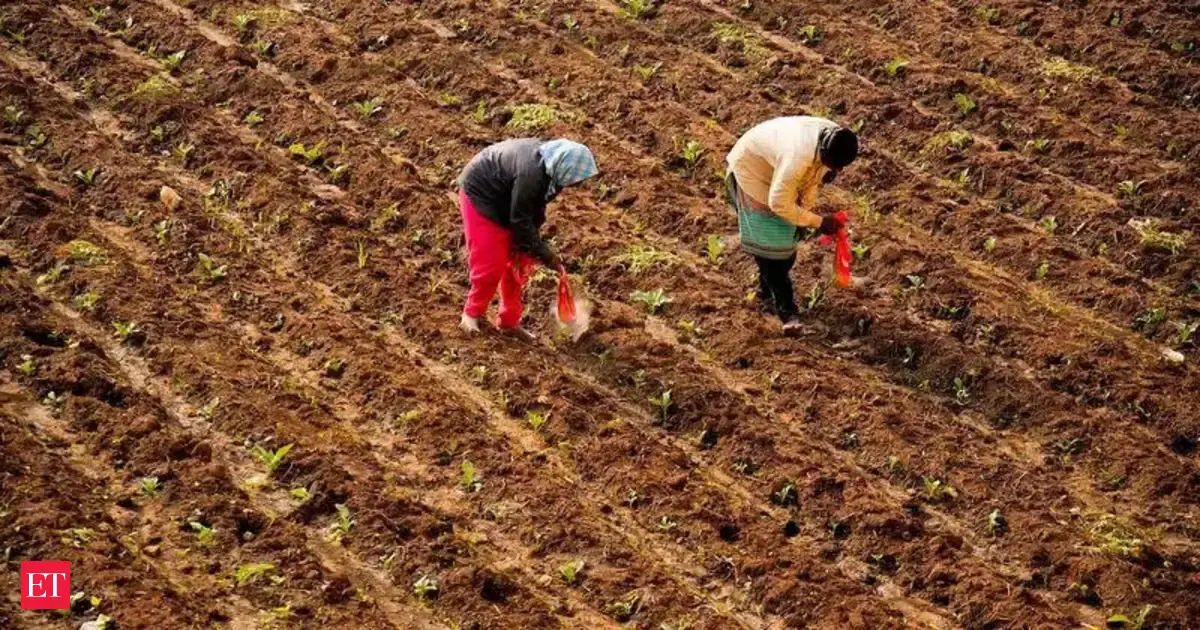
The ongoing geopolitical conflicts in the Middle East are sending renewed tremors through the global agricultural supply chain, particularly concerning chemical fertilizers. With maritime trade routes disrupted and production costs fluctuating, major agricultural nations are actively seeking ways to insulate their food systems. India, standing as one of the world's largest consumers and importers of synthetic fertilizers, is now rapidly pivoting toward biological alternatives to secure its crop yields.
In northern farming hubs such as Tappal, local agricultural workers are scaling up the production of traditional biofertilizers to replace expensive imported chemicals. By fermenting accessible local ingredients—primarily cow dung, unrefined sugar, and flour—they cultivate rich biological mixtures. These organic preparations are applied to fields to stimulate native soil microbes, naturally improving nutrient uptake and reducing the immediate need for synthetic urea and diammonium phosphate (DAP).
While the specific ingredients used in these Indian formulations differ from the advanced commercial biologicals common in European agritech, the underlying strategic shift is highly relevant. European farmers are intimately familiar with the crippling effects of fertilizer price shocks, having navigated extreme volatility during the recent natural gas crisis. The current supply chain anxieties driven by Middle Eastern instability prove that heavy reliance on imported chemical nutrients remains a critical vulnerability for farm profitability worldwide.
This large-scale transition in India serves as a massive real-world trial for biological farming inputs. As millions of hectares are transitioned to bio-enhanced nutrient programs, the global market for biologicals is likely to see accelerated growth and innovation. For the European agricultural sector, this could eventually translate into a broader, more affordable range of commercial biofertilizers, nitrogen-fixing bacteria, and soil amendments arriving on the market.
What this means for the market: The systemic vulnerability of chemical fertilizer supply chains is driving a permanent global shift toward biologicals, suggesting European farmers should actively evaluate and integrate reliable bio-stimulants into their crop nutrition strategies to hedge against future price spikes.
— agronom.work editorial team