
India’s Palm Oil Imports Hit 14-Month Low: A Signal for European Oilseed Markets
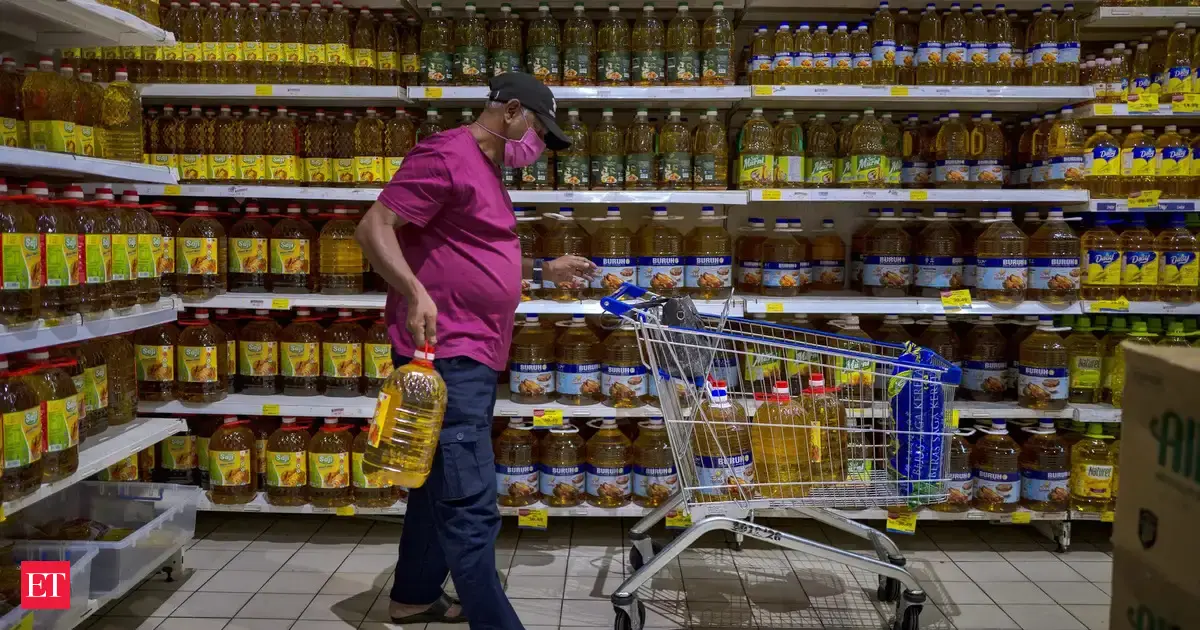
India, the world's largest importer of vegetable oils, reported a 14-month low in palm oil imports for June. Market analysts attribute this downturn to softening domestic consumer demand and the diminishing price gap between palm oil and competing alternatives like soyoil and sunflower oil.
For the European agricultural sector, this shift in the world's largest market is more than just a regional data point. India’s reduced appetite for palm oil often creates ripples in the global pricing of all vegetable oils, including the sunflower and rapeseed oils that are crucial to European farmers in Ukraine, France, and Germany.
When global palm oil prices remain stagnant or decline while the price spread narrows against soft oils, the competitiveness of European-grown oilseeds changes. This price convergence can lead to increased inventory buildup in major export hubs, which eventually puts pressure on domestic farm-gate prices during harvest season.
Furthermore, this trend reflects a broader global softening in edible oil demand, which could temper the optimism for high-margin oilseed crops in the upcoming planting cycles. European agronomists should monitor these global fluctuations closely, as they directly influence the profitability of crushing operations and export demand for regional harvests.
What this means for the market: As India pulls back, we may see a slight easing in global vegetable oil price benchmarks, which often correlates with a cooling in local rapeseed and sunflower price trends. Farmers should factor in this potential price stabilization when planning storage strategies and forward contracts for their upcoming harvest.
— agronom.work editorial team