
Spain's Water Crisis Threatens European Produce Supply Chains
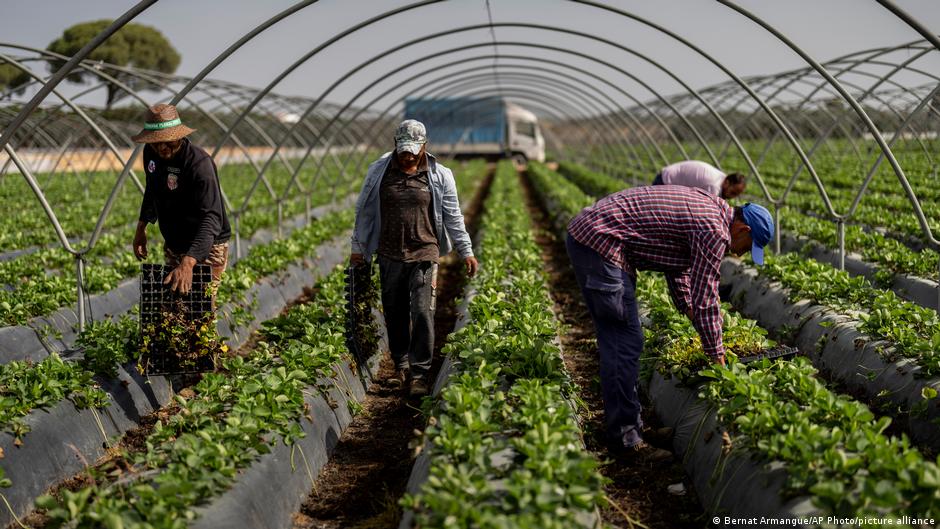
Southern Spain has long functioned as the agricultural powerhouse of the European Union, supplying up to a quarter of all fruits and vegetables consumed across the continent during the autumn and winter months. Vast greenhouse complexes in regions like Almería and Huelva turn out millions of tonnes of tomatoes, berries, peppers, and cucumbers year-round. However, this intensive production model is colliding with a severe and escalating ecological reality: the region is running out of water.
At the center of the environmental crisis is the Doñana National Park in southwestern Spain, a UNESCO World Heritage site and one of the most critical wetland ecosystems in Europe. Millions of migratory birds and endangered species, such as the Iberian lynx, depend on its marshes. Over decades of intensive agriculture, the underground aquifers sustaining both the national park and local farming operations have been severely depleted. Years of below-average rainfall, compounded by rising temperatures driven by climate change, have severely restricted natural recharge rates.
For European agronomists and farm operators, the situation highlights the fragile balance between intensive horticultural production and ecological carrying capacity. Thousands of hectares of high-value crops rely heavily on irrigation, much of which has historically depended on thousands of illegal boreholes drilled into the declining aquifers. Regional authorities and the central government face mounting pressure from Brussels and environmental organizations to crack down on unauthorized water extraction, even as farming unions warn that sudden supply cutbacks could devastate rural economies and spike food prices.
The crisis in Spain serves as a stark warning for irrigated agriculture across the Mediterranean basin, from Italy and Greece to parts of southern France. As climate projections point toward hotter summers and prolonged droughts, growers are being forced to rethink traditional irrigation methods. Investments in advanced agritech solutions—such as precision drip irrigation, soil moisture telemetry, and reclaimed wastewater infrastructure—are shifting from optional upgrades to absolute operational necessities for farm businesses aiming to stay viable.
What this means for the market: European buyers and fresh produce supply chains should anticipate potential volume volatility and upward price pressures on winter vegetables and soft fruits originating from the Iberian Peninsula. Agronomists operating in water-stressed regions must prioritize water use efficiency and audit irrigation systems to prepare for stricter regulatory enforcement and water quotas.
— agronom.work editorial team