
Bluetongue Virus Outbreak in Wexford: Biosecurity Alert for European Livestock Farmers
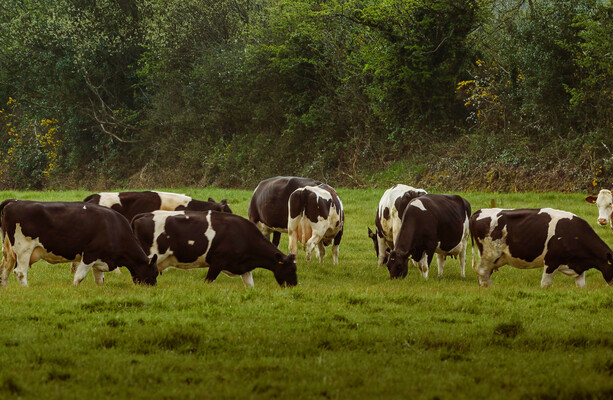
The detection of the bluetongue virus (BTV-3) in an unvaccinated 16-month-old heifer in Co Wexford marks a significant moment for livestock management across Europe. As bluetongue is a vector-borne disease transmitted by biting midges, its presence is rarely confined to a single locality, especially during periods of unseasonable warmth that favor vector activity.
For farmers in Ireland and across the continent, this case serves as a sharp reminder of the vulnerability of unvaccinated herds. Serotype 3 has been aggressively spreading across Northern Europe, including the Netherlands, Germany, and parts of the UK. The virus causes significant production losses, including reduced milk yields, infertility, and high mortality rates in sheep and cattle.
Biosecurity protocols must now be prioritized. Farmers should monitor their animals for clinical signs such as fever, drooling, swelling of the head and tongue, and lameness. While treatment for the virus itself is limited, supporting symptomatic animals with anti-inflammatories and preventing secondary infections remains the primary management strategy.
The impact of this outbreak extends to livestock movement and export regulations. Authorities typically impose movement restrictions around infected zones to curb the spread, which can disrupt supply chains and lower livestock market prices locally. Monitoring regional status updates from national veterinary services is essential for planning sales and herd expansion.
Context for farmers: Farmers should immediately coordinate with their local veterinarians to discuss vaccination options where available and implement strict vector control measures in barns and pastures. Rapid reporting of suspicious symptoms to agricultural authorities is the most effective way to prevent widespread herd devastation and avoid prolonged movement bans.
— agronom.work editorial team