
Global Pesticide Divide: Australian Paraquat Debate Highlights Regulatory Disparities
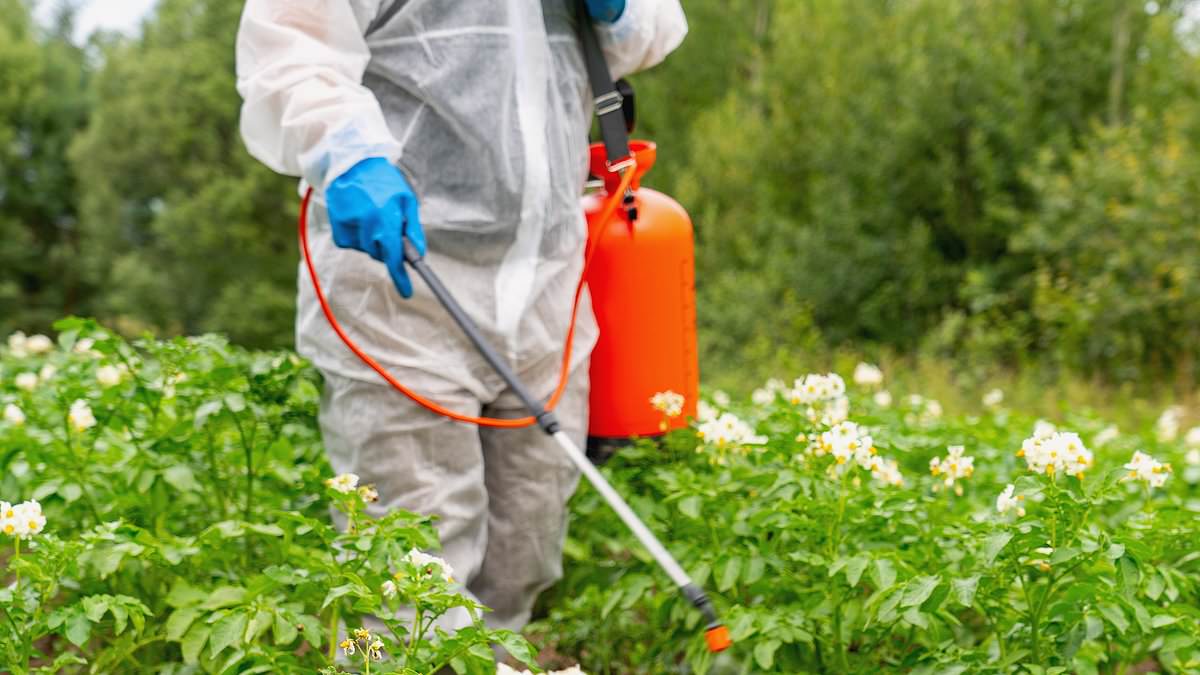
The ongoing agricultural debate in Australia over the continued use of paraquat is drawing attention worldwide, particularly in Europe where the herbicide has long been outlawed. Australian health organizations, including Parkinson's Australia, are raising alarms that even minute exposure to the widely used defoliant and weed killer can lead to severe neurological consequences. Despite being banned in more than 70 countries, Australian farmers continue to utilize the chemical for rapid weed control and pre-harvest crop desiccation.
For European agronomists and farm operators, this controversy serves as a stark reminder of the regulatory divide between the EU and other major agricultural exporters. The European Union banned paraquat back in 2007, driven by similar health concerns and acute toxicity risks. Since then, farmers in countries like Germany, Poland, and the Netherlands have had to adapt to more restricted, often more expensive, portfolios of crop protection products, forcing a shift toward integrated pest management and mechanical weed control.
The disparity in chemical access directly impacts the global agricultural market. When major producing nations like Australia retain access to highly effective, broad-spectrum herbicides like paraquat, they maintain certain cost and yield advantages, particularly in minimum-tillage farming systems. European producers frequently point to these differing standards when discussing the challenges of competing against imported grains and oilseeds that are grown under less stringent chemical regulations.
Beyond market economics, the renewed focus on paraquat underscores a critical issue for farm labor management globally: worker safety. Agricultural enterprises are increasingly scrutinizing the long-term health impacts of their spray programs. The established link between certain older agrochemicals and neurodegenerative diseases highlights the absolute necessity of rigorous personal protective equipment (PPE) protocols and the ongoing need to phase out high-risk substances to protect tractor operators and field workers.
Context for farmers: The pressure to harmonize global pesticide regulations is mounting. As more countries re-evaluate controversial chemicals, European farmers may eventually see a leveling of the international playing field, though it emphasizes the importance of continuing to invest in alternative weed management technologies.
— agronom.work editorial team