
US Increases Imports of Russian Fertilizers: Impact on European Agricultural Markets
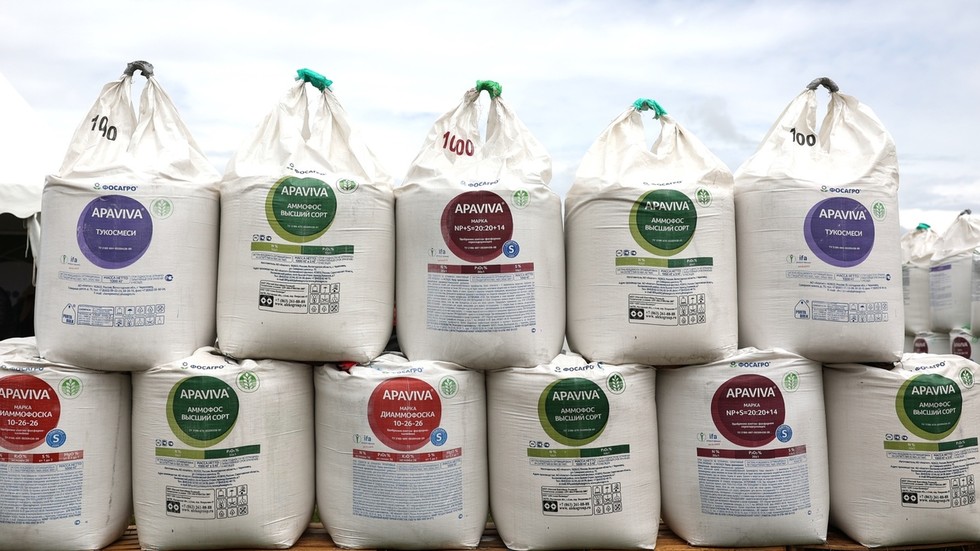
Recent trade data reveals that the United States increased its imports of Russian fertilizers by nearly 25% during the first half of 2026. This trend highlights the complex reality of global nutrient markets, where agricultural necessity often intersects with intricate international trade policies. For European agronomists and farm owners, this development is a critical signal of how fluid fertilizer logistics remain, even amidst intense geopolitical scrutiny.
Fertilizers remain the largest variable cost for many cropping operations in Europe. Russia is a dominant player in the global production of nitrogen, phosphate, and potassium-based inputs. When major economies like the US adjust their procurement strategies, it directly influences global price floors. Increased US reliance on these supplies may temporarily stabilize domestic input prices there, but it simultaneously leaves the global market vulnerable to shifts in Russian export policy.
For European farmers, the reliance on imported energy and raw materials to produce fertilizers has been a major point of volatility since 2022. While European manufacturers have sought to ramp up internal capacity, the cost of natural gas remains a significant bottleneck. Competition for global fertilizer stocks means that any redirection of supply chains—such as the increased flow toward the Atlantic—could tighten availability for EU-based distributors during the peak spring application season.
Understanding these trade patterns is essential for farm financial planning. As supply chains adapt to these shifted purchasing volumes, mid-sized farms and cooperatives may face unpredictable fluctuations in NPK pricing. It is advised that agronomists and procurement managers track these macro-trends closely to forecast budget requirements for the coming 2027 season, rather than relying on historical price stability.
What this means for the market: Farmers should prepare for continued price volatility in nutrient inputs as global trade patterns shift to accommodate these large-scale procurement changes. It is advisable to secure fertilizer contracts early and monitor local supply availability to avoid potential bottlenecks during the peak application windows next year.
— agronom.work editorial team