
Surging Tomato Prices Highlight the Growing Squeeze on Greenhouse and Field Margins
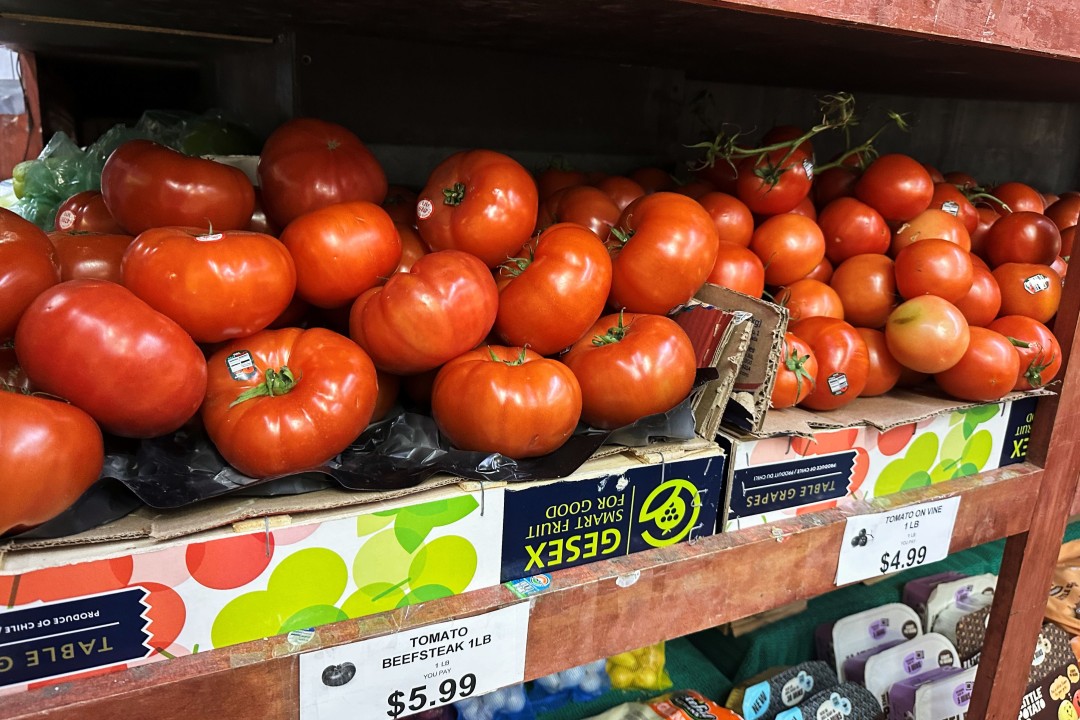
Tomatoes have recently become one of the most visible symbols of rising food costs, with retail prices surging faster than almost any other grocery item over the past year. While macroeconomic reports point to broad inflation reaching multi-year highs, the reality in the fields and greenhouses tells a much more complex agricultural story.
For European growers, particularly those in high-tech greenhouse hubs like the Netherlands and Poland, the narrative isn't just about consumer inflation—it is about the fundamental cost of production. The energy required to heat and light glasshouses during colder months remains a massive financial burden, squeezing margins despite the higher prices consumers pay at the checkout.
Out in the open fields of Southern Europe, the challenges are largely climatic. Unpredictable weather patterns, including late frosts and summer heatwaves, have severely impacted crop yields. When supply drops sharply due to poor harvests, retail prices inevitably spike, but the reduced volume means farmers are often earning less overall despite the inflated market value of their crop.
Furthermore, the agricultural labor market continues to tighten. Tomatoes are a labor-intensive crop, requiring careful hand-picking to avoid bruising and spoilage. The rising cost of seasonal labor, combined with the logistical hurdles of modern supply chains, adds another layer of expense before the produce even reaches the distribution center.
What this means for the market: The disconnect between record retail prices and actual farm-gate profitability underscores the urgent need for investment in climate-resilient varieties and energy-efficient agritech. High consumer prices may eventually dampen demand, meaning growers must focus on optimizing their input-to-yield ratio rather than relying on market price surges.
— agronom.work editorial team