
Sticky Inflation: Why Retail Food Prices Stay High While Farm Margins Shrink
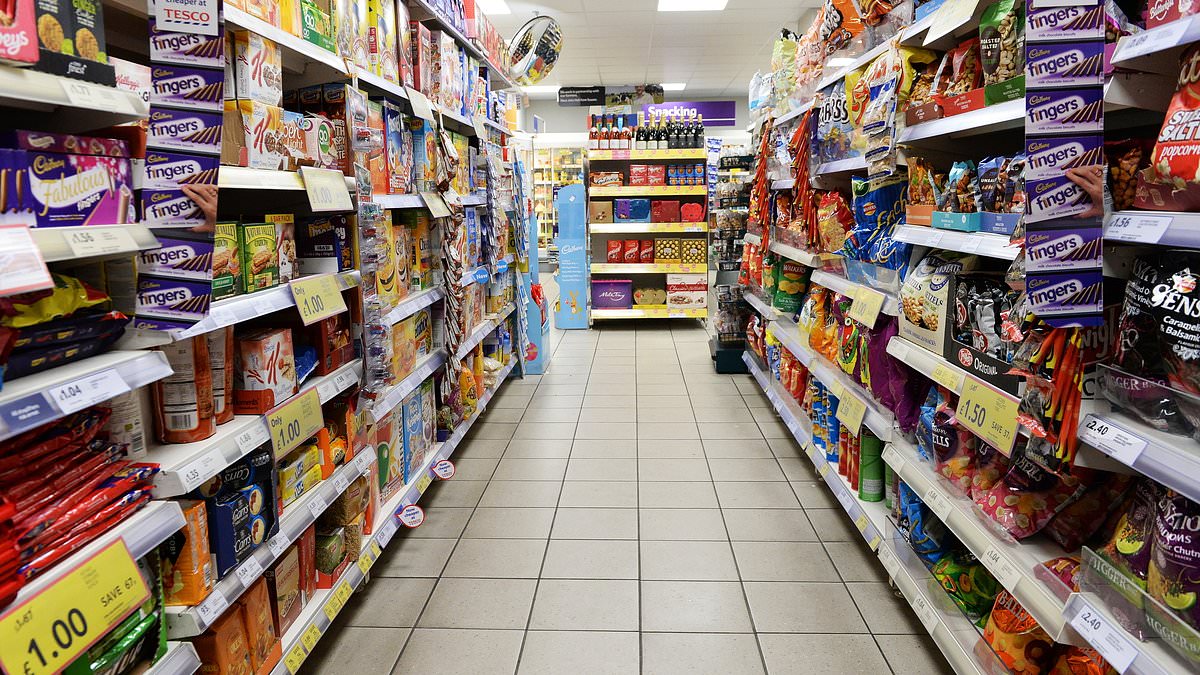
A recent economic analysis warns that retail prices for household staples like bread and pasta are set to remain elevated in the long term, even as the initial triggers subside. Major global shocks, including geopolitical tensions in the Middle East and severe weather patterns like El Niño, have caused sudden spikes in the cost of food. However, history and current data show that these retail prices tend to fall back very slowly, rarely returning to their pre-crisis baselines.
This phenomenon of "sticky inflation" within the agrifood supply chain is driven by compounded costs in logistics, processing, and retail. When a shock disrupts the market, every intermediary in the food system raises prices to cover increased risks and energy costs. Once the immediate crisis passes, these downstream players are often reluctant to lower their margins, keeping consumer prices artificially high.
For agricultural producers across Europe, from the wheat fields of Poland and Germany to the vast arable lands of Ukraine, this creates a frustrating disconnect. Consumers facing expensive bread often misdirect their frustration at farmers. Yet, the reality is that farm-gate prices—the actual money paid to the grower for raw grain—remain highly volatile and are frequently disconnected from the inflated prices seen on supermarket shelves.
The situation is further exacerbated by the asymmetric nature of agricultural input costs. During global shocks, the prices for essential farm inputs like nitrogen fertilizers, diesel fuel, and agricultural machinery often skyrocket. Unlike grain prices, which can drop rapidly following a strong harvest, these operational expenses tend to remain stubbornly high, severely squeezing the profit margins of farm businesses.
Context for farmers: This structural supply chain imbalance means that European grain growers cannot rely on high retail food prices to secure their profitability. Farm survival and growth now depend heavily on adopting precision agritech to optimize expensive inputs, exploring direct-supply contracts, and focusing intensely on cost-per-hectare efficiency rather than yield volume alone.
— agronom.work editorial team