
Strait of Hormuz Fertilizer Blockade Threatens Global Crop Production
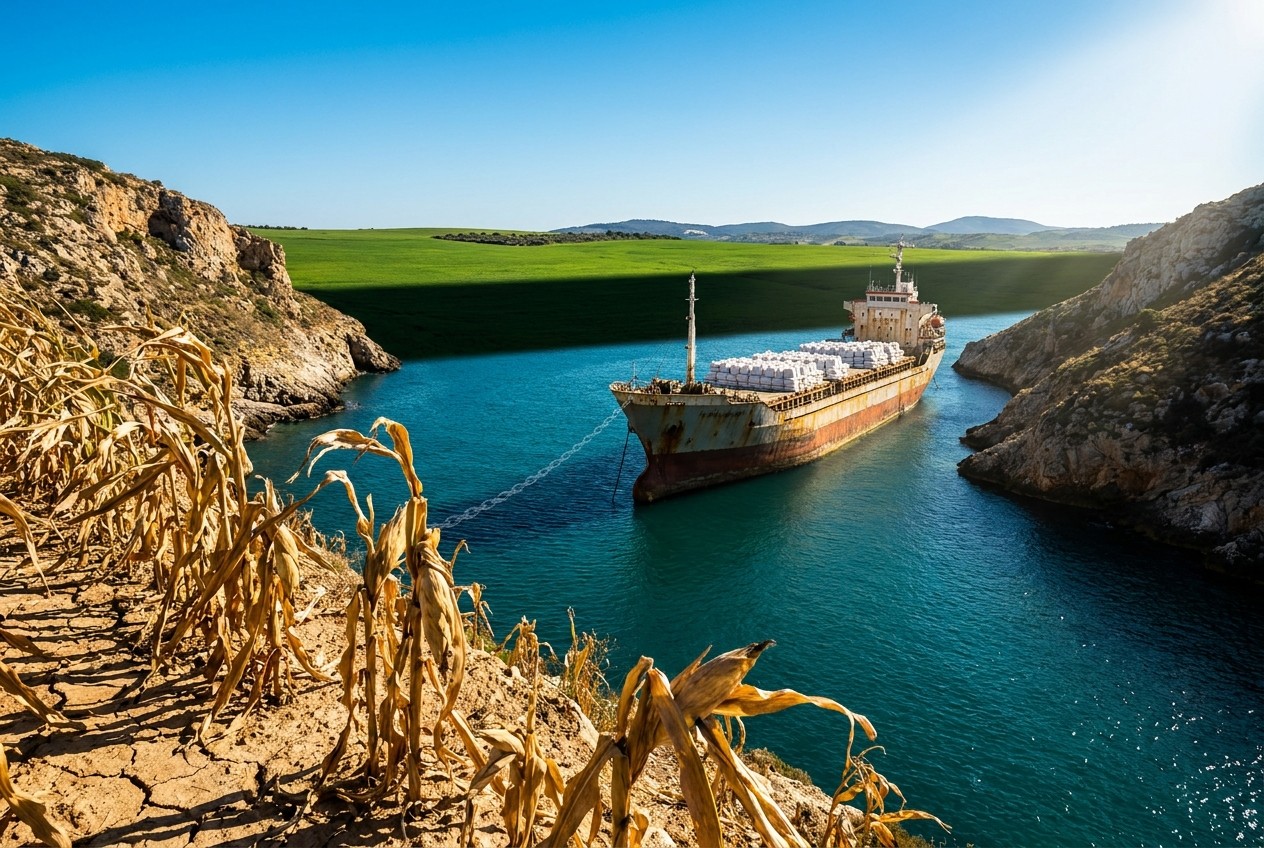
A senior United Nations official has issued an urgent warning regarding a critical bottleneck in international fertilizer trade. Delays in approving a UN-backed shipping corridor through the Strait of Hormuz threaten to disrupt crucial nutrient supplies destined for major agricultural regions in Asia and Africa. For European farmers, while not the direct destination of these specific shipments, this maritime chokepoint underscores the extreme fragility of global logistics networks upon which modern crop production depends.
The Strait of Hormuz serves as a vital maritime artery for petrochemical and fertilizer exports originating from Middle Eastern producers. Nitrogen-based fertilizers, particularly urea and ammonia produced using abundant local natural gas reserves, rely heavily on this route to reach international markets. Any prolonged disruption or restriction of vessel movement in this zone triggers immediate ripple effects across global commodity exchanges, directly influencing input costs for agricultural producers from the Netherlands to Poland.
Global fertilizer markets remain exceptionally sensitive to geopolitical tensions and energy price fluctuations. When key export routes face administrative or security deadlocks, wholesale prices for nitrogen fertilizers frequently experience sudden volatility. European agronomists and farm managers have grown accustomed to managing high input costs, but unexpected supply shocks can rapidly undermine seasonal budgeting and alter crop nutrition strategies just ahead of intensive application windows.
While the immediate victims of the Hormuz deadlock are projected to be farming communities in developing nations facing missed planting windows, the interconnected nature of global trade means European markets cannot remain insulated. Fertilizer manufacturers within the European Union, who already grapple with high domestic natural gas prices and stringent environmental regulations, often adjust their pricing in tandem with global benchmark movements. Tightening global supplies inevitably places upward pressure on domestic retail prices.
For grain and oilseed producers across Europe, monitoring international logistics and fertilizer availability has become as critical as tracking regional weather forecasts. Input procurement strategies now require greater flexibility, early purchasing, and careful evaluation of alternative supply sources to mitigate the risk of sudden price spikes or delivery delays ahead of upcoming field operations.
What this means for the market: European farmers should anticipate potential volatility in nitrogen fertilizer prices as global supply bottlenecks persist. Securing necessary nutrient supplies early can help hedge against sudden market adjustments driven by international shipping disruptions.
— agronom.work editorial team