
Global Crop Markets Surge: Examining the Factors Driving Price Volatility
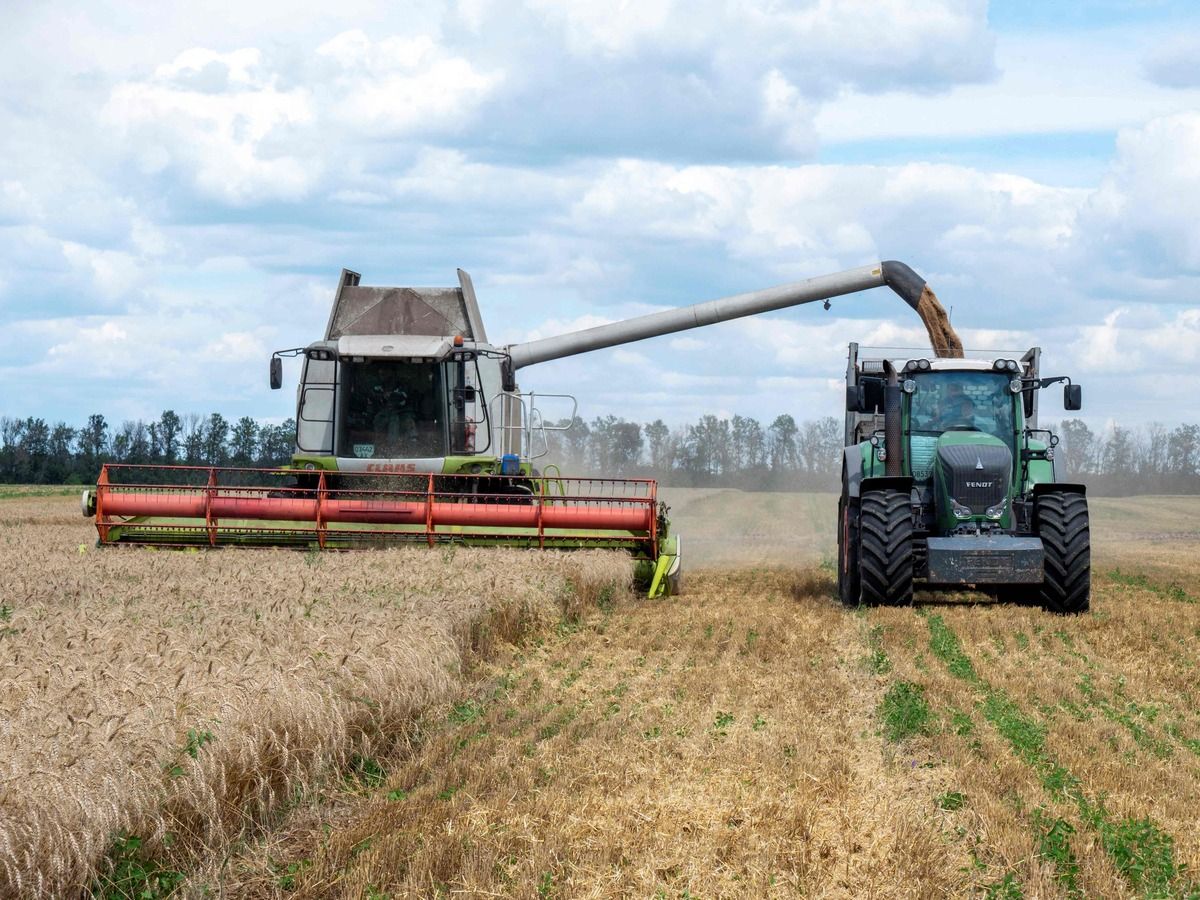
Global agricultural markets are currently navigating a period of extreme volatility, with crop prices witnessing their most significant monthly surge in over twelve years. The confluence of ongoing geopolitical conflicts, particularly in key exporting regions, and persistent extreme weather patterns has created a perfect storm that is tightening global supplies.
For European producers, these shifts present a complex landscape. While higher commodity prices may seem beneficial for farm revenue, they are shadowed by the rising costs of essential inputs such as fertilizers, fuel, and energy, which remain sensitive to global instability. The disruption of supply chains further complicates the logistics of getting harvests to market, potentially squeezing margins despite the high ticker prices.
Furthermore, this trend highlights the growing impact of climate-driven yield variability on food inflation. As weather anomalies become the new normal, agronomic strategies are shifting toward more resilient crop varieties and precise input management to mitigate risks during critical growth stages. Farmers are increasingly relying on agritech to monitor soil moisture and nutrient uptake to protect their bottom line.
We are also observing a shift in subsidy focus and insurance demand across the EU and neighboring regions. Policymakers are being pressed to prioritize food security and support farmers in navigating these volatile cycles, potentially impacting future common agricultural policy allocations and risk management tools available to the sector.
What this means for the market: Producers should prepare for continued input cost volatility and consider locking in prices for essential fertilizers early. Diversifying crop portfolios and reviewing grain marketing strategies in the coming weeks will be crucial to securing profitability amid this unpredictable price environment.
— agronom.work editorial team