
New Research Highlights Potential Risks of Sulfoxaflor to Bumblebee Fertility
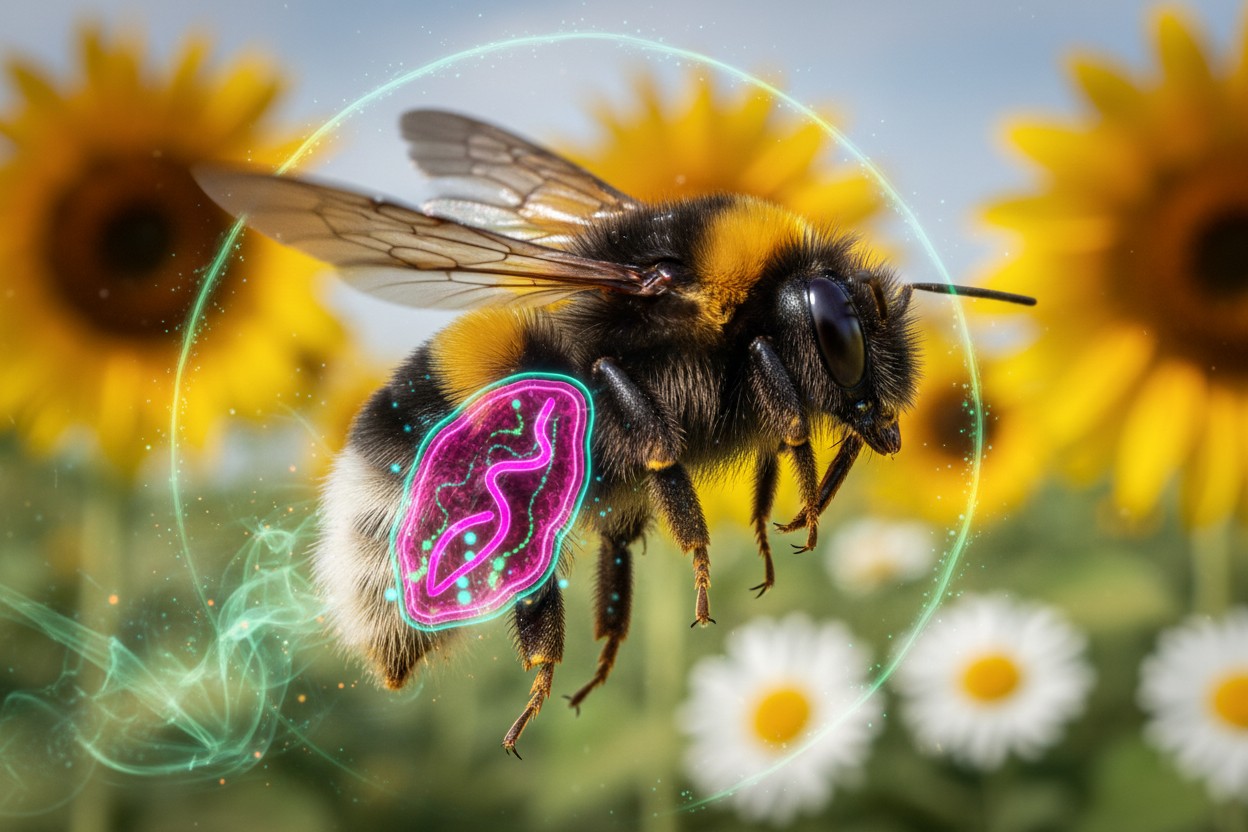
New research from the Georgia Institute of Technology has identified a concerning link between the insecticide sulfoxaflor and reproductive health in bumblebees. The study, published this July, demonstrates that even at low doses, exposure to this pesticide triggers significant changes in gene expression within bumblebee ovarian tissue.
For European farmers who rely on managed and wild pollinator populations, this finding carries weight regarding Integrated Pest Management (IPM) strategies. Sulfoxaflor is a systemic insecticide often used as an alternative to neonicotinoids to control sap-feeding insects like aphids, but its impact on beneficial non-target insects remains a subject of intense regulatory scrutiny.
The study highlights that the damage occurs at a molecular level, potentially hindering colony growth and long-term viability. When pollinators are exposed to such chemicals in the field, the effects may not manifest as immediate mortality, making the risk difficult to track through routine field observations.
This is particularly relevant for orchards and oilseed rape producers who depend on steady pollination cycles. If reproductive success in wild populations drops, the stability of ecosystem services that farmers rely on for free-of-charge crop fertilization could be jeopardized, indirectly increasing reliance on expensive, commercial hive rentals.
Context for farmers: While sulfoxaflor remains a legal tool for pest control in many regions, agronomists should consider these findings when planning chemical application windows. Prioritizing applications during non-flowering periods and strictly following label instructions to minimize drift is essential to preserving local pollinator health and mitigating future regulatory restrictions on crop protection products.
— agronom.work editorial team