
Super El Niño Threatens Global Food Security and Input Markets
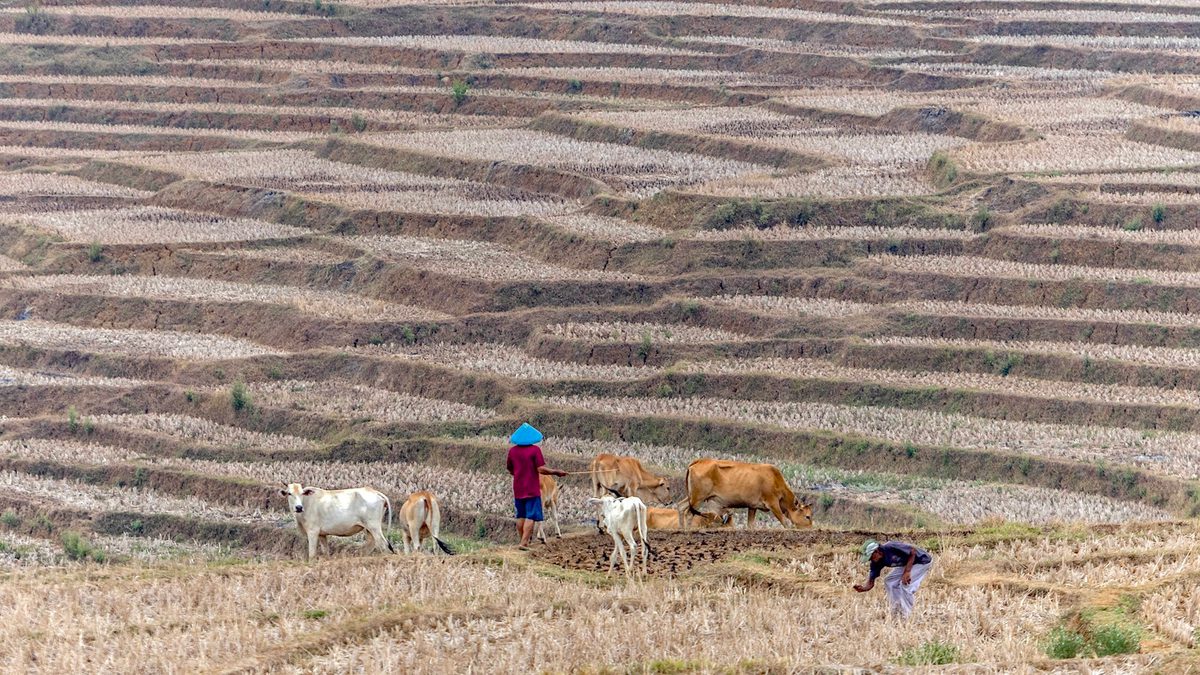
Agriculture across multiple continents is feeling the severe strain of a developing super El Niño, a potent climate phase that historically disrupts predictable weather patterns. For crop producers and livestock farmers in major exporting regions, this natural phenomenon translates into erratic rainfall, prolonged dry spells, and intense heatwaves. Such extreme conditions threaten grain and oilseed yields just as the agricultural sector continues to navigate volatile global markets.
The impact of this climate cycle extends far beyond immediate crop stress, reaching deep into agricultural supply chains and input availability. Previous intense El Niño events have historically triggered severe droughts in parts of Asia, Australia, and parts of South America, severely limiting regional grain production and pushing up international commodity prices. For European grain traders and feed importers, shifts in southern hemisphere harvests directly influence the cost of corn, soybeans, and other feed ingredients required for livestock operations.
Compounding these weather extremes are broader macroeconomic pressures affecting farm inputs. Producers worldwide are grappling with lingering volatility in energy and fertilizer markets, alongside reductions in international developmental assistance that often helps buffer vulnerable agricultural communities. When climate shocks hit regions dependent on imported fertilizers or fuel, the compounding effect can dramatically elevate operational costs for local growers, squeezing profit margins from primary production through to processing.
For agronomists and farm managers, navigating a super El Niño year requires a heightened focus on climate resilience and resource management. Implementing precision irrigation techniques, utilizing drought-tolerant seed varieties, and adopting soil conservation practices that preserve moisture become critical operational defenses. Farmers are increasingly relying on advanced meteorological data and agritech tools to anticipate dry spells and adjust planting schedules or fertilization rates accordingly.
Ultimately, the confluence of extreme weather and restricted supply chains underscores the growing vulnerability of modern agricultural systems to climate volatility. While European farms operate within well-managed temperate zones, global market integration means that severe weather disruptions elsewhere inevitably ripple through to local feed costs, export competitiveness, and broader food price inflation.
Context for farmers: While European agriculture benefits from localized climate management, global El Niño dynamics directly influence international commodity pricing, fertilizer availability, and feed import costs for livestock producers. Farm managers should closely monitor global harvest reports and secure essential inputs early to hedge against potential supply chain disruptions.
— agronom.work editorial team