
Tomato Brown Rugose Fruit Virus: Tm-2² Gene Provides Limited Protection
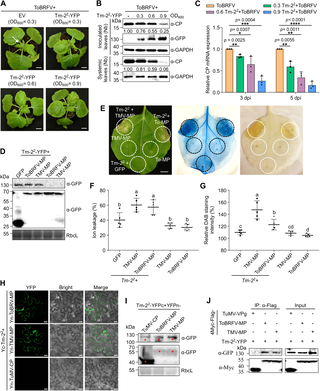
For over sixty years, the Tm-2² gene has been the gold standard for protecting greenhouse tomato crops against common Tobamoviruses. Its durability has made it a foundational element in breeding programs across Europe, significantly reducing the risk of mosaic virus outbreaks that once caused massive yield losses.
However, the emergence of the Tomato Brown Rugose Fruit Virus (ToBRFV) has disrupted this stability. Recent scientific analysis confirms that while the Tm-2² gene still provides some level of defense, its ability to completely halt the progression of ToBRFV has been compromised. The virus has evolved to partially bypass this classic resistance mechanism, creating a new challenge for agronomists and greenhouse managers.
In commercial operations, this partial resistance means that while total crop failure may be averted, secondary infections and lower fruit quality are becoming more common. Growers relying solely on Tm-2²-carrying varieties may find that their plants still carry and transmit the virus, leading to hidden losses and the need for stricter sanitary protocols.
This shift necessitates a change in how greenhouses approach crop protection. Relying on genetic resistance alone is no longer a foolproof strategy. Specialists recommend integrating intensive hygiene measures, such as tool disinfection, mandatory boot baths, and strict visitor policies, to supplement the genetic defense of existing varieties.
Context for farmers: Because the Tm-2² gene is no longer a complete barrier, you should treat current 'resistant' varieties as susceptible to asymptomatic infection. Review your IPM strategy and consider diversifying your genetic portfolio while prioritizing rigorous vector control and sanitation to minimize virus transmission in your facility.
— agronom.work editorial team