
Trump Signs Off-Road Diesel Tax Relief Order to Cut Farm Operating Costs
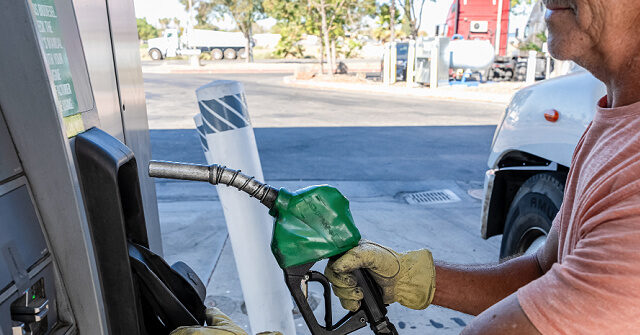
Operating heavy farm machinery, grain drying units, and irrigation pumps represents one of the most significant variable costs for crop and livestock producers across the agricultural sector. Fuel expenses directly dictate profit margins from spring tillage through harvest logistics. To address these heavy operational burdens, a recent policy shift has introduced substantial financial relief for agricultural producers heavily reliant on diesel-powered equipment.
US President Donald Trump signed an executive order during a rally in Grand Island, Nebraska, implementing crucial temporary tax and regulatory measures concerning fuel usage. The directive officially permits the use of red-dyed off-road diesel—typically reserved exclusively for field operations and exempt from highway taxes—on public roadways. Furthermore, the order postpones federal excise tax payments on this fuel through the end of 2026, granting producers crucial liquidity without incurring interest or penalties.
Federal agriculture officials estimate that these combined regulatory adjustments will yield approximately $640 million in direct savings for agricultural producers over the designated period. For large-scale grain farms and commercial livestock operations managing extensive machinery fleets, transport trucks, and stationary power units, fuel cost reductions provide immediate breathing room against lingering inflation in inputs like fertilizers and seeds.
Off-road diesel has long been chemically marked with a red dye to distinguish it from taxable highway fuel, with strict legal penalties enforced for running it in standard over-the-road transport vehicles. Relaxing these rules during peak operational seasons, such as planting and harvest, removes a major logistical bottleneck for farmers who frequently transport grain and equipment between disparate land parcels via public infrastructure.
What this means for the market: Lowering fuel-related overhead expenses helps stabilize production costs for staple commodities, potentially easing upward pricing pressures in domestic grain and livestock supply chains. European and global agritech observers should monitor how localized input cost interventions influence export competitiveness in international grain markets.
— agronom.work editorial team