
Trump-Xi Summit Puts Global Agricultural Trade and Ag Exports in Focus
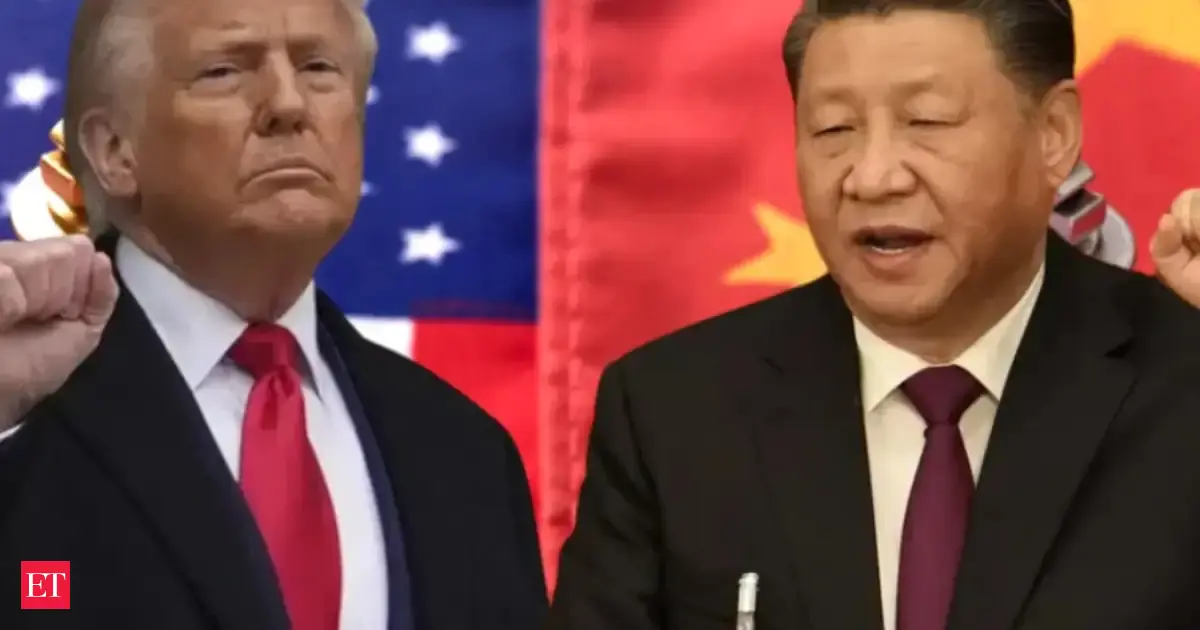
The upcoming meeting in Washington between U.S. President Donald Trump and Chinese leader Xi Jinping carries significant weight for international agricultural markets. While geopolitical topics like regional security and technological competition remain prominent on the agenda, agricultural trade dynamics are once again front and center. For European farmers, grain traders, and input suppliers, any shift in U.S.-China commercial policy has immediate ripple effects on global commodity exchanges, ocean freight rates, and export parity.
Historically, large-scale trade agreements or tariff disputes between the world's two largest economies dramatically alter global trade flows. When Beijing alters its purchasing patterns of major bulk commodities such as soybeans, corn, and wheat, the resulting supply redistribution impacts European producers. For instance, shifts in American export volumes to Asia frequently force alternative origins—including Black Sea grain and Western European wheat—to re-orient their export destinations, directly influencing FOB prices at major ports from Rouen to Constanta.
European agronomists and farm managers monitor these high-level summits because global macroeconomic conditions dictate domestic input costs and crop revenues. Fertilizer prices, fuel futures, and currency exchange rates often react sharply to trade announcements. Furthermore, uncertainty surrounding bilateral trade agreements can increase volatility in futures markets traded on exchanges like Euronext, complicating risk management and hedging strategies for grain producers and cooperatives across the European Union.
Beyond immediate crop pricing, these diplomatic encounters shape the broader landscape of agricultural technology and intellectual property discussions. As major agricultural exporters invest heavily in digital farming, precision agriculture, and biotech traits, regulatory alignment and market access protocols negotiated at elite governmental levels can set precedents for international trade standards. Agtech developers and large-scale farming enterprises in Germany, the Netherlands, and Poland pay close attention to how trade diplomacy influences the global exchange of agricultural innovations.
What this means for the market: While the Washington summit primarily addresses bilateral U.S.-China relations, European grain producers and traders should prepare for potential commodity price volatility and shifting export arbitrage opportunities. Farmers locking in forward contracts for the upcoming harvest must keep a close eye on global supply chain adjustments resulting from any new trade agreements.
— agronom.work editorial team