
Trump’s Tariff Threat to Canada: What It Means for Global Agricultural Trade
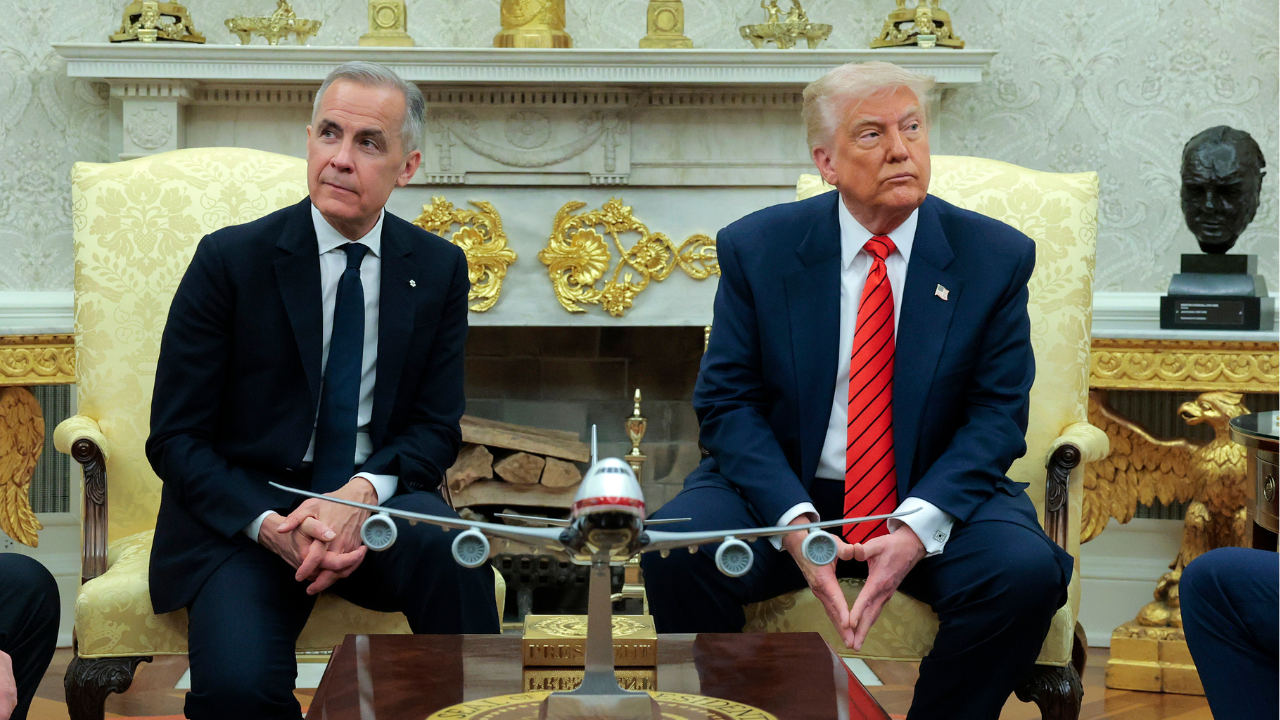
President Donald Trump’s aggressive stance on trade with Canada is once again sending ripples through international markets, reviving long-standing disputes over market access, supply management, and agricultural quotas. For producers on both sides of the border, the renewed threat of steep tariffs creates immediate uncertainty, disrupting established trade flows that have operated under regional trade frameworks for decades. While the current rhetoric often highlights industrial goods and lumber, the agricultural sector—particularly dairy and grain exports—frequently finds itself caught in the crossfire of broader economic negotiations.
For European farmers, agronomists, and agribusinesses watching from across the Atlantic, these North American trade disputes serve as a cautionary tale about the fragility of global supply chains. The U.S. and Canada represent deeply integrated agricultural economies where regulatory differences, particularly regarding dairy production quotas and technical trade barriers, often become flashpoints. When protectionist measures escalate in North America, global commodity prices and trade routes can shift unpredictably, altering export opportunities for European producers looking to fill sudden supply gaps or navigate changing global demand.
Dairy sectors in both the U.S. and Canada are historically among the most heavily protected and politically sensitive agricultural markets. American producers have long criticized Canada’s supply management system, which regulates domestic production and imposes high tariffs on foreign dairy imports to protect local family farms. Conversely, Canadian farmers argue that U.S. agricultural subsidies create an uneven playing field. As tariff threats mount, these structural tensions intensify, putting pressure on farm-gate prices and forcing cooperatives to rethink their long-term export strategies and risk management frameworks.
Beyond dairy, the broader implications for agritech, machinery, and farm inputs must not be overlooked. Cross-border trade friction between major agricultural exporters can drive up the costs of raw materials, steel, and specialized farm machinery components. European agricultural equipment manufacturers and input suppliers operating globally often feel the secondary effects of such trade wars through volatile input costs and disrupted distribution channels. Farm managers must remain vigilant, as macroeconomic trade policies increasingly translate into direct operational costs at the farm level, from fertilizer pricing to equipment maintenance budgets.
Ultimately, the escalating trade tensions between Washington and Ottawa underscore a broader global trend toward economic nationalism and trade protectionism. For farm workers and agricultural specialists managing modern, export-oriented enterprises, navigating this volatile landscape requires diversified markets and agile operational planning. Whether dealing with regional trade pacts or sudden tariff announcements, the modern agricultural sector must continuously adapt to geopolitical shifts that influence everything from local crop prices to international trade logistics.
What this means for the market: Escalating North American trade disputes can trigger global commodity price volatility and increase input costs for machinery and fertilizers. Farmers and agrizone managers should closely monitor trade policy developments to anticipate shifts in export competition and supply chain reliability.
— agronom.work editorial team