
Odisha's Digital Agriculture Shift: Lessons for European Climate Adaptation
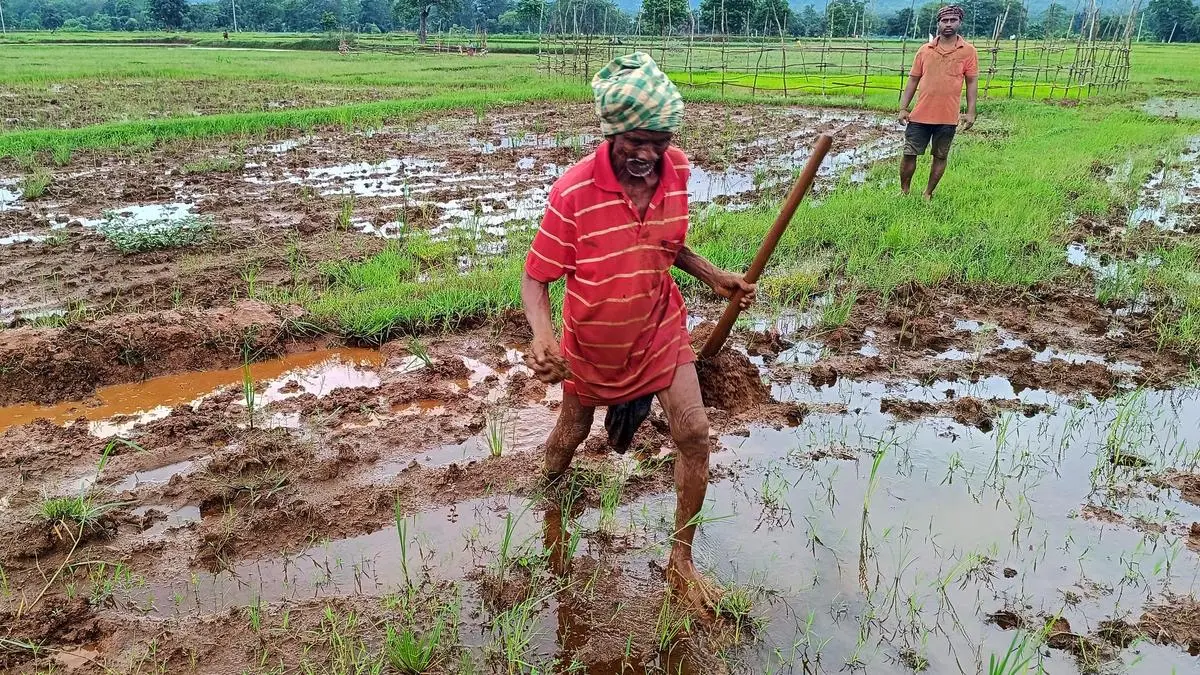
The government of Odisha has finalized six Memorandums of Understanding (MoUs) involving the Department of Posts, ICRISAT, and the MS Swaminathan Research Foundation. These partnerships aim to bridge the gap between scientific research and field application, focusing heavily on climate resilience and digital infrastructure for local farmers.
For an agronomist or farm owner in Europe, the focus on digital integration is familiar, yet the scope is evolving. The partnership with ICRISAT, an organization renowned for its work on arid-zone agriculture, highlights a trend toward 'precision-resilience.' By integrating meteorological data with post-harvest logistics, the initiative aims to protect farmers from the increasingly unpredictable monsoon patterns that mirror the erratic weather cycles currently affecting the Mediterranean and Eastern Europe.
The inclusion of the Department of Posts is a strategic move to utilize existing physical infrastructure to deliver digital services and soil testing reports to remote areas. This serves as a reminder that agricultural digital transformation often relies on the strength of the last-mile logistics—a challenge that remains relevant even in the highly connected markets of the Netherlands or Germany.
While Odisha’s specific crop profiles—largely rice, pulses, and oilseeds—differ from the wheat and maize-dominant sectors of Central Europe, the objective of 'climate-proofing' yields is universal. The integration of site-specific data allows for input optimization, which is becoming increasingly critical as European environmental regulations tighten and the cost of synthetic fertilizers remains volatile.
Context for farmers: As Europe continues to push for the European Green Deal and digital farm management, the Odisha model serves as a case study for integrating research-based climate adaptation directly into daily farm operations. Farmers should evaluate whether their current precision tools are truly integrated into a broader climate-resilience strategy rather than merely acting as isolated harvest trackers.
— agronom.work editorial team