
Natural Disasters Impact 90,000 Hectares of Turkish Farmland in 2026
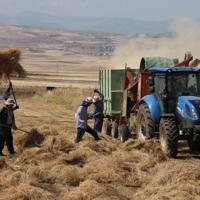
In the first half of 2026, Turkish agriculture faced a significant setback as natural disasters damaged approximately 90,000 hectares of fertile farmland. According to Semsi Bayraktar, chairman of the Union of Turkish Agricultural Chambers (TZOB), these events—ranging from unexpected frost and hail to flooding—have caused widespread disruption to crop cycles and field operations.
For European agronomists and traders, this development is a critical signal. Türkiye serves as a vital supplier of fresh produce, dried fruits, and nuts for the European Union. A contraction in output due to climate volatility often translates into supply chain tightening and increased price sensitivity for these specific categories in the European market.
The scale of the destruction highlights the increasing vulnerability of Mediterranean agricultural systems to erratic weather patterns. When large swathes of land are compromised, the resulting loss in yield often forces farmers to reassess their insurance coverage and irrigation management strategies to mitigate risk in future seasons.
Farm workers and stakeholders in the region are currently managing the aftermath, focusing on crop rehabilitation and damage assessment. This situation serves as a stark reminder of the broader challenges facing global food security, where localized environmental disasters have direct consequences for international trade partners.
Context for farmers: As these supply fluctuations become more frequent, European producers specializing in similar climates should monitor import prices, as a shortage in Turkish supply often creates a temporary price vacuum that shifts market demand toward regional alternatives.
— agronom.work editorial team