
Turkey Develops New Black Sea Shipping Mechanism to Protect Agricultural Exports
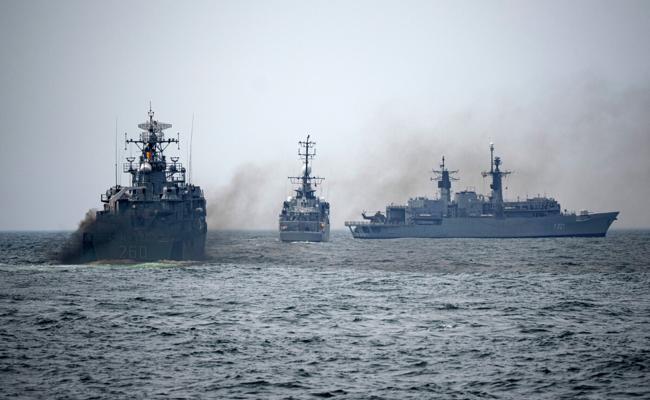
For grain traders, farm operators, and agricultural exporters across Eastern and Central Europe, the Black Sea remains the primary maritime highway for moving massive volumes of wheat, corn, and oilseeds to global markets. Recent geopolitical friction and security concerns have repeatedly threatened vessel insurance rates, shipping schedules, and the overall reliability of regional supply chains. In response to these lingering vulnerabilities, diplomatic and logistics channels are once again attempting to establish robust safeguards for maritime commerce in this critical basin.
According to statements delivered at the United Nations by Turkey's permanent representative, Ankara is actively drafting a dedicated mechanism designed to guarantee the safe passage of commercial cargo vessels. This initiative specifically targets the uninterrupted flow of essential food items and agricultural inputs, which are vital not only for major producers in Ukraine and Russia but also for the financial health of agricultural supply networks stretching into the European Union and destination markets across the Middle East and North Africa.
Maintaining open lanes through the Turkish Straits and the western sectors of the Black Sea is an economic imperative for Black Sea ports. Any disruption to vessel traffic immediately reverberates through domestic cash prices, increases freight risk premiums, and forces grain elevators and cooperatives to reconsider their inventory management and storage strategies. When shipping bottlenecks occur, regional basis levels widen, squeezing farm gate margins just as harvest logistics reach their peak intensity.
Beyond immediate logistical concerns, the proposed mechanism carries significant weight for input markets, particularly regarding the export of Russian and Ukrainian fertilizers. With European farmers continually balancing high input costs against volatile commodity prices, any structural improvement in Black Sea maritime security helps stabilize global urea, potash, and compound fertilizer benchmarks. Reliable trade flows reduce input price volatility, allowing agronomists and farm managers to plan seasonal fertilization programs with greater confidence.
What this means for the market: While the operational details and international backing of the Turkish proposal are still unfolding, any credible framework that lowers maritime risk in the Black Sea will help compress freight rates and stabilize export paces for European and Black Sea grain. Farm managers and grain traders should monitor these diplomatic developments closely, as a secure shipping corridor could ease pressure on regional basis levels and improve cash market liquidity ahead of upcoming export campaigns.
— agronom.work editorial team