
Tyson Foods Plant Closures Signal Global Beef Market Volatility
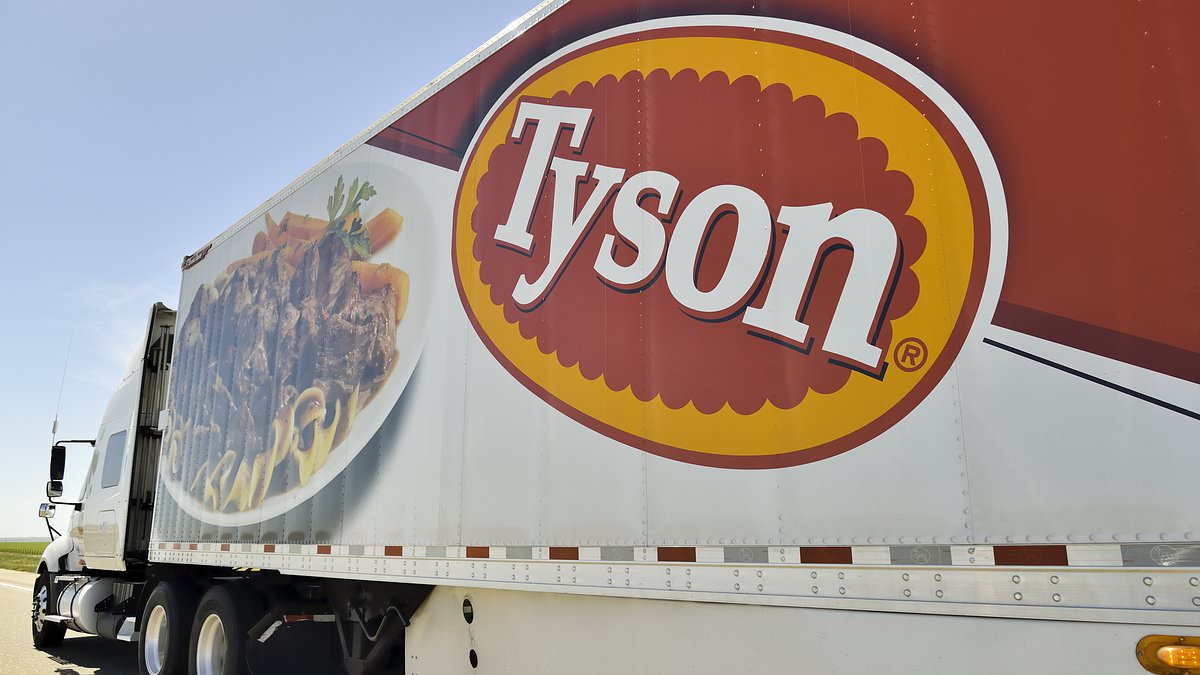
Tyson Foods, one of the world's largest meat processors, has announced the closure of two major beef facilities in response to a historic decline in cattle herds. This decision reflects the broader strain on the North American livestock sector, where drought conditions and high production costs have forced producers to liquidate herds, leading to a decade-low cattle inventory.
For European livestock farmers, this situation in the U.S. offers a complex glimpse into market dynamics. While the US and European beef markets are distinct, the reduction in processing capacity by a global giant like Tyson puts upward pressure on global commodity prices. As US beef output drops, international buyers often shift demand toward alternative markets, potentially altering trade flows for EU exporters.
The current shortage is largely attributed to multi-year weather patterns that impacted grazing land, combined with high feed and fuel costs. This has made it difficult for feedlot operators to maintain profitability, leading to a consolidation in the processing sector. For the industry at large, these closures underscore the fragility of highly centralized supply chains when faced with livestock supply fluctuations.
European farmers should monitor how these US market signals correlate with domestic feed prices and export demand. While EU beef production faces its own set of regulatory and climate-driven challenges, the tightening of global protein supplies generally limits downward price pressure, even as consumer demand fluctuates in response to inflation.
Context for farmers: The contraction of large-scale processing capacity alongside a shrunken herd suggests that volatility in beef prices will remain high for the foreseeable future. Producers should prioritize margin management and feed efficiency as the global market adjusts to this period of supply constraints.
— agronom.work editorial team