
Heatwaves and Drought Shrink British Potato Harvests, Sparking Food Security Worries
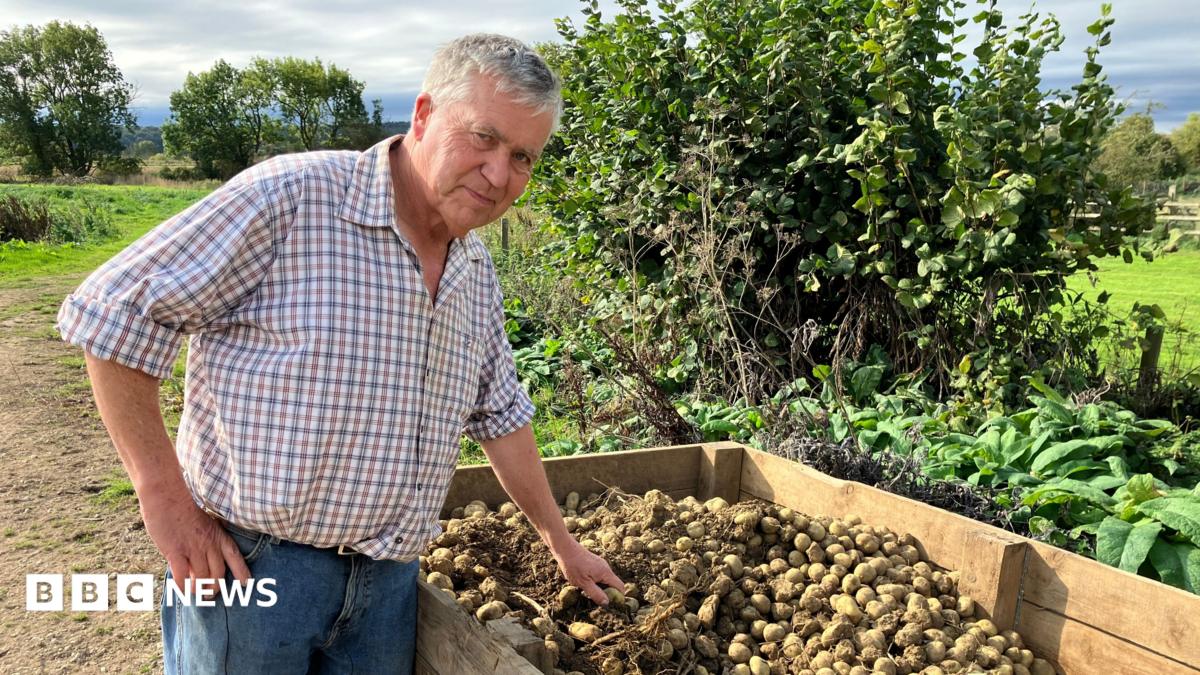
European potato growers are facing an escalating climatic challenge as consecutive seasons of extreme summer heat and erratic rainfall begin to permanently alter production cycles. In the United Kingdom, recent agricultural data and official statements from the Department for Environment, Food and Rural Affairs (DEFRA) highlight a troubling trend: tubers are failing to reach their optimal commercial size. Agronomists note that when sustained high temperatures coincide with dry soil conditions, potato plants prematurely stop bulking, forcing farmers into an early harvest of undersized crops.
For commercial potato producers, this phenomenon directly impacts profitability and grading standards. Supermarkets and processing plants maintain strict sizing specifications for fresh table potatoes, crisps, and French fries. When field run proportions skew heavily toward smaller tubers, rejection rates rise and overall marketable tonnage drops. This forces farm businesses to absorb financial losses even if the total physical weight harvested appears superficially stable, as undersized potatoes carry significantly lower market value.
The agricultural implications extend far beyond individual farm gates, touching national supply chains and processing contracts. As British domestic yields decline due to climate stress, food security debates have intensified at the highest levels of government. Policymakers and industry stakeholders are increasingly recognizing that dependable domestic production relies on rapid adaptation. This includes heavy capital investments in localized irrigation infrastructure, precision water management tools, and the adoption of more heat- and drought-tolerant potato cultivars bred to withstand erratic weather patterns.
Furthermore, this situation serves as a stark warning for neighboring potato-producing regions across Northern and Western Europe, including the Netherlands, Germany, and Poland. As similar weather anomalies become the baseline across the continent, regional agritech suppliers are seeing surging demand for soil moisture sensors, drip irrigation systems, and advanced decision-support software. Farm managers are shifting from traditional rain-fed strategies to hyper-managed, water-efficient production models to protect yield stability.
Ultimately, the shrinkage of potato sizes under extreme heat underscores the urgent need for a resilient European potato sector. From seed selection to post-harvest storage management, every link in the supply chain must evolve. Producers who successfully integrate climate-resilient agronomic practices will be best positioned to weather the economic pressures of a warming agricultural landscape.