
Ukraine Negotiates New Black Sea Grain Corridors with Turkey, Egypt, and India
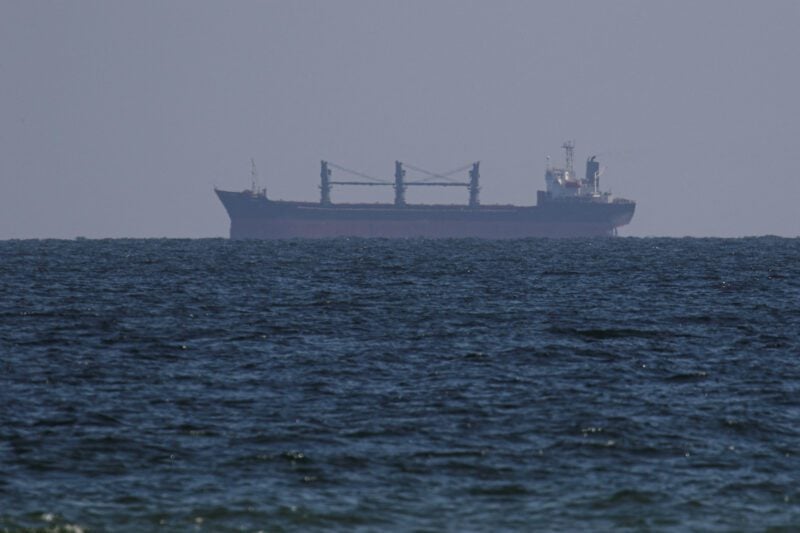
Ukraine has initiated diplomatic and logistical discussions with Turkey, Egypt, and India regarding the potential establishment of secure civil navigation channels in the Black Sea. For European agricultural markets, particularly producers in Eastern and Central Europe, these talks signal a concerted effort to restore predictable maritime trade routes that have faced severe disruptions since the escalation of the conflict.
Egypt remains one of the world's largest importers of wheat, heavily reliant on Black Sea origins to feed its domestic market through state-backed tenders managed by GASC. Meanwhile, India's growing demand for vegetable oils and occasional grain imports makes it a strategic partner for diversifying export destinations away from congested overland EU corridors, which have frequently sparked trade friction with neighboring member states like Poland and Romania.
For Ukrainian grain producers and traders, finding reliable maritime pathways is critical for clearing accumulated stocks and improving cash flow ahead of upcoming planting campaigns. Bottlenecks in logistics directly depress domestic purchasing prices, squeezing farm margins and limiting investments in fertilizers, seeds, and modern machinery for the next agricultural season.
Turkey's role as the guardian of the Bosporus and Dardanelles straits under the Montreux Convention places Ankara at the center of any operational security framework. Past agreements demonstrated that monitored corridors can function effectively, but securing stable guarantees for civilian vessels remains a complex diplomatic challenge involving international maritime insurers and naval safety protocols.
What this means for the market: Successful establishment of these proposed trade corridors could significantly alleviate logistical pressures across the wider Black Sea region, leading to more competitive export parity prices and smoother supply chains for global grain buyers. Agronomists and farm managers should monitor how these trade developments influence local input costs and regional commodity pricing trends as the export season progresses.
— agronom.work editorial team