
Ukraine open to Black Sea grain truce as agricultural export logistics face ongoing security risks
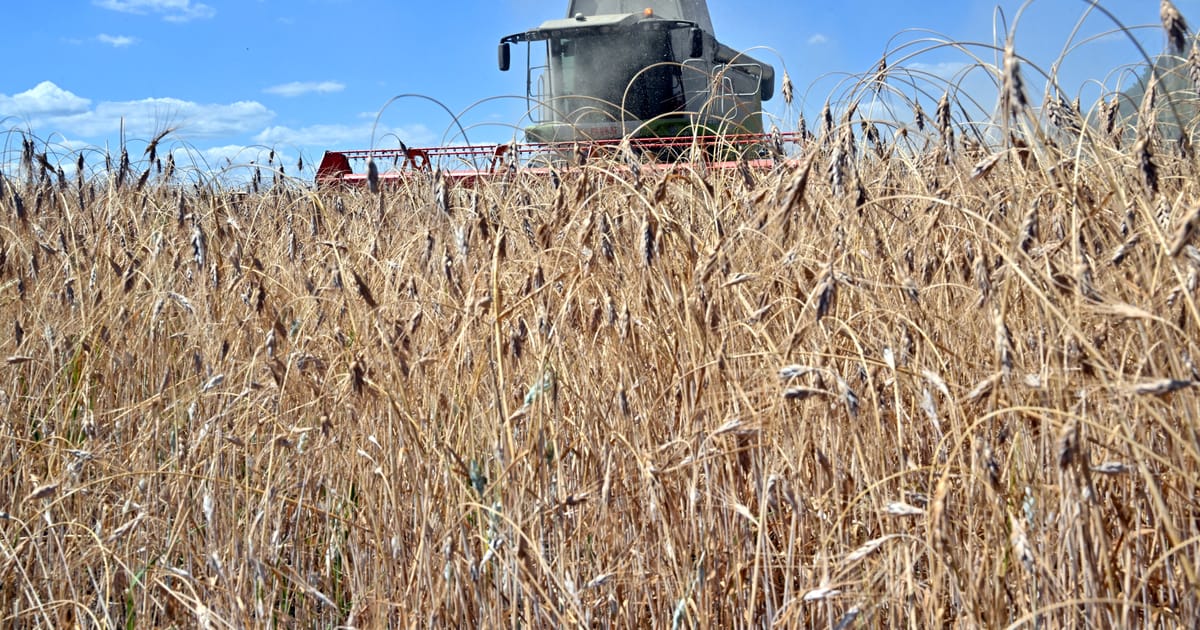
The ongoing conflict in the Black Sea basin continues to cast a long shadow over European and global agricultural markets, particularly affecting the vital grain export corridors utilized by Ukrainian producers. Recent diplomatic signals indicate that Kyiv is exploring potential pathways to safeguard agricultural shipping lanes against persistent security threats and infrastructure attacks.
Since the disruption of traditional logistics following the full-scale escalation in 2022, Ukrainian farmers and traders have heavily relied on maritime corridors, alongside alternative overland routes through Poland, Romania, and other neighboring EU member states. Any stabilization or formal agreement regarding maritime security would drastically alter freight rates, insurance premiums, and the overall flow of wheat, corn, and oilseeds into global destination markets.
For European agronomists and grain traders, port security in Odesa and other maritime hubs directly dictates domestic price volatility. When Black Sea shipping is constrained, regional logistics choke, putting pressure on storage capacities across Eastern Europe and influencing everything from local input costs to global commodity futures on exchanges like Euronext.
At the farm gate level, the predictability of export channels determines whether producers can secure fair margins ahead of upcoming sowing campaigns. Ukrainian agricultural enterprises have proven remarkably resilient, adopting precision farming and optimizing localized storage, but sustainable long-term recovery fundamentally depends on reliable, unhindered access to deep-water ports.
What this means for the market: A potential diplomatic framework or truce protecting Black Sea trade routes could lower shipping insurance and logistics costs, ultimately narrowing the price gap between European and Ukrainian grain. Farmers and traders should closely monitor freight index fluctuations as any shift in maritime security directly impacts regional commodity pricing and storage turnover.
— agronom.work editorial team