
Ukraine Sets Red Lines on Grain Access Ahead of EU Talks
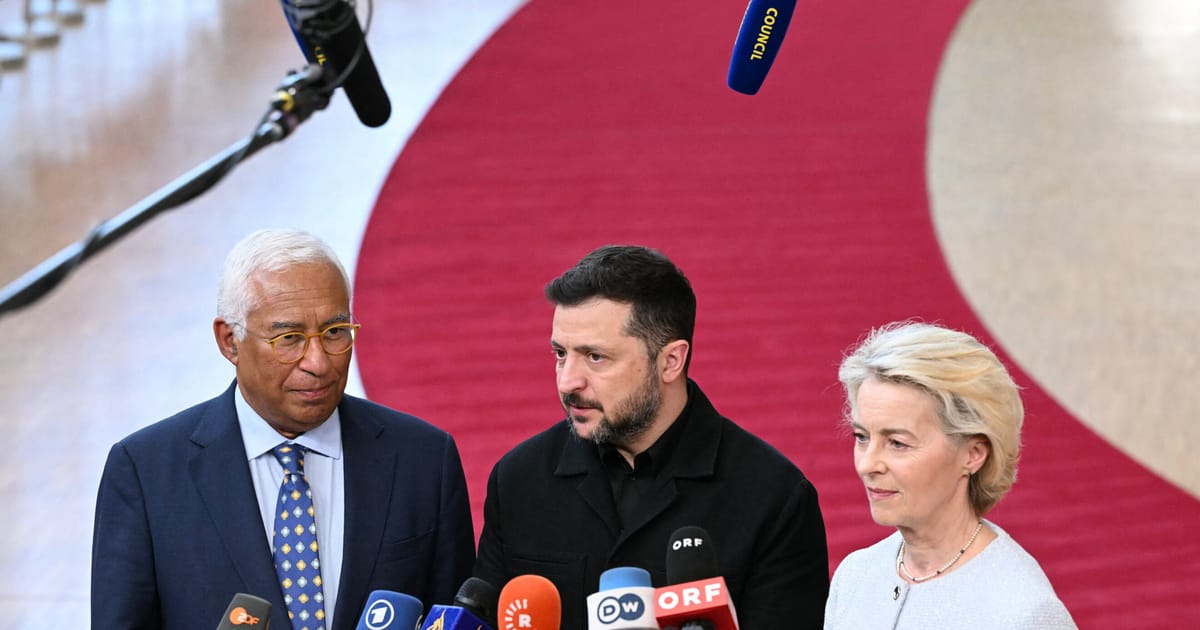
As negotiations regarding Ukraine's path toward European Union membership progress, the integration of its massive agricultural sector remains one of the most contentious hurdles. Ukrainian officials have made it clear that any accession deal must include unhindered access to the bloc's internal market for domestic grain and agricultural commodities. Kyiv argues that locking Ukrainian producers out of neighboring European markets would fundamentally undermine the economic purpose of joining the union.
The debate touches a raw nerve across several EU member states, particularly in Central and Eastern Europe. Farmers in countries like Poland, Romania, and other frontline nations have frequently protested against the surge of duty-free Ukrainian grain imports, arguing that it depresses local crop prices and creates unfair competition. These domestic agricultural lobbies continue to pressure Brussels for protective safeguards, long-term quotas, or transitional periods that could restrict grain flows even after political integration takes place.
For European agronomists and farm operators, the prospect of Ukraine joining the EU single market represents both a structural challenge and a massive competitive shift. Ukraine operates some of the largest, most highly consolidated farming enterprises in the world—often referred to as agro-holdings—capable of producing wheat, corn, and oilseeds at very low production costs. Integrating this grain powerhouse into the Common Agricultural Policy (CAP) would also strain the bloc's subsidy budget, forcing policymakers to fundamentally rethink how direct payments and rural development funds are distributed among member states.
At the same time, major European grain traders and feed manufacturers rely heavily on Ukrainian supplies to maintain export competitiveness on global markets and keep input costs manageable for livestock producers in Western Europe. Supply chains running through Black Sea ports, rail corridors, and Danube logistics hubs have become deeply interconnected with the broader European grain economy over the past few years. A permanent barrier or fractured market access would create severe logistical bottlenecks and distort regional commodity pricing.
Context for farmers: The ongoing political tug-of-war over Ukrainian market access directly impacts future grain price volatility, fertilizer input economics, and long-term land values across Central Europe. Farm managers should monitor upcoming EU enlargement talks closely as policy shifts could alter regional supply dynamics well before formal accession is finalized.
— agronom.work editorial team