
U.S. Bird Flu Surge Triggers Biosecurity Alert for European Poultry Producers
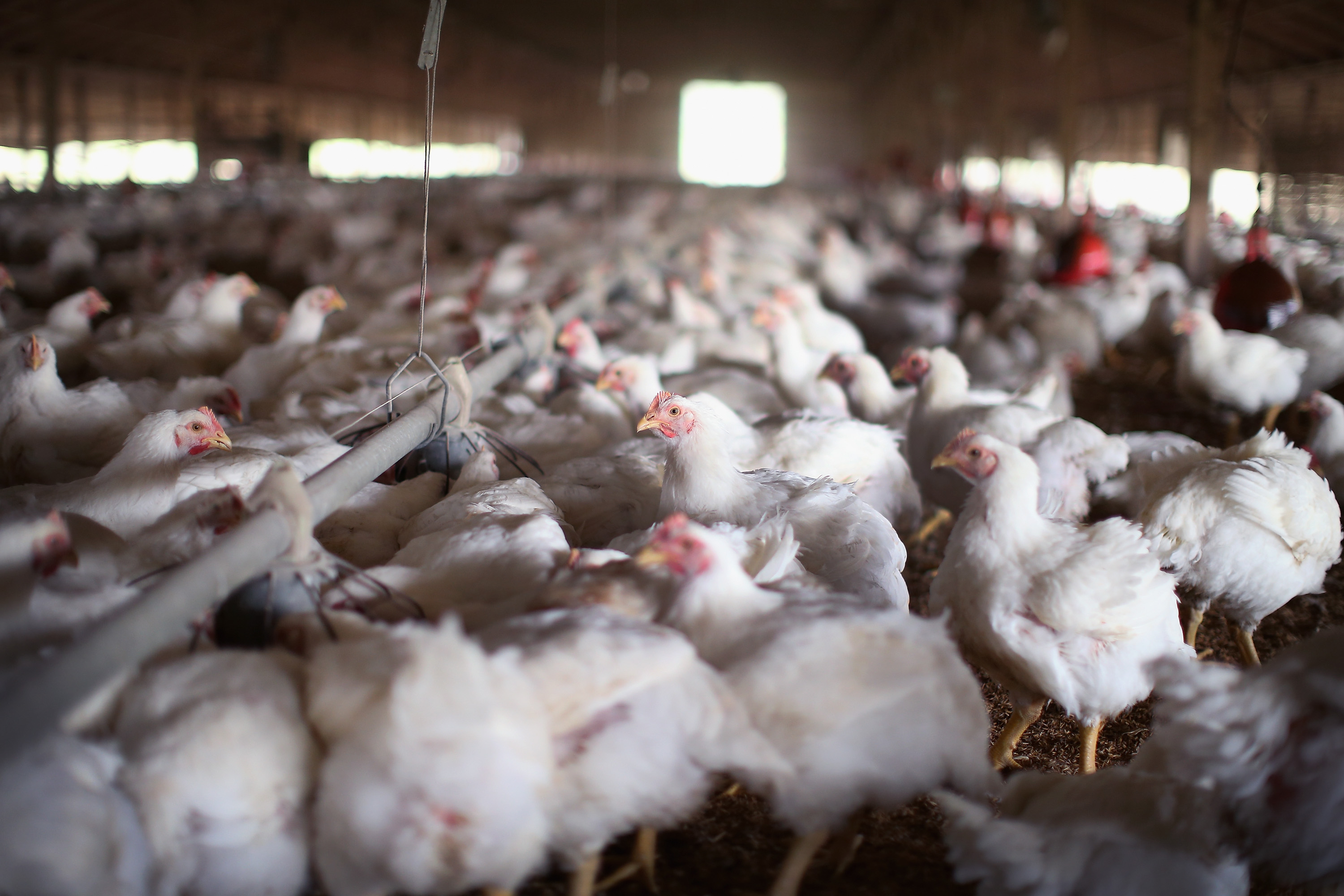
A recent surge in Highly Pathogenic Avian Influenza (H5N1) across United States poultry operations has put the agricultural sector on high alert. Data compiled from the U.S. Department of Agriculture shows that 29 commercial and backyard poultry flocks have been struck by the virus over the past month alone, wiping out approximately 1.32 million birds. The wave is heavily driven by a massive outbreak at an egg-laying facility in Illinois, which alone accounted for nearly 935,000 commercial hens.
For commercial poultry producers in Europe, where the seasonal migration of wild birds frequently introduces avian pathogens into local biosecurity perimeters, this trans-Atlantic development highlights an enduring vulnerability. The sheer scale of single-site losses seen in North America—often involving intensive layer or broiler complexes—underscores the devastating speed at which the virus can tear through high-density animal housing if ventilation, perimeter fencing, or sanitation protocols fail.
Veterinary authorities and public health agencies are emphasizing strict worker safety measures, including the mandatory use of personal protective equipment (PPE) for farm staff handling symptomatic birds or managing mortality disposal. While consumers face virtually no food safety risk provided poultry meat and eggs are thoroughly cooked, farm labor markets and supply chains remain acutely exposed to the economic shocks of sudden quarantine measures and depopulation orders.
European poultry integrations, particularly in major production hubs like Poland, Germany, and the Netherlands, continuously monitor these global epizootics to preemptively adjust their farm-level defenses. Implementing rigorous vehicle disinfection stations, restricting non-essential visitor access, and transitioning to indoor feeding and watering systems are standard practices that gain renewed urgency during peak virus transmission windows.
What this means for the market: A major cluster of avian influenza outbreaks in key production regions can rapidly alter domestic egg and poultry meat supply balances, creating localized price volatility and tightening export channels. European farm managers must audit their biosecurity checklists immediately to prevent costly operational interruptions and protect flock health.
— agronom.work editorial team