
Global Fuel Turmoil: US Diesel Shock Signals Warning for European Farmers
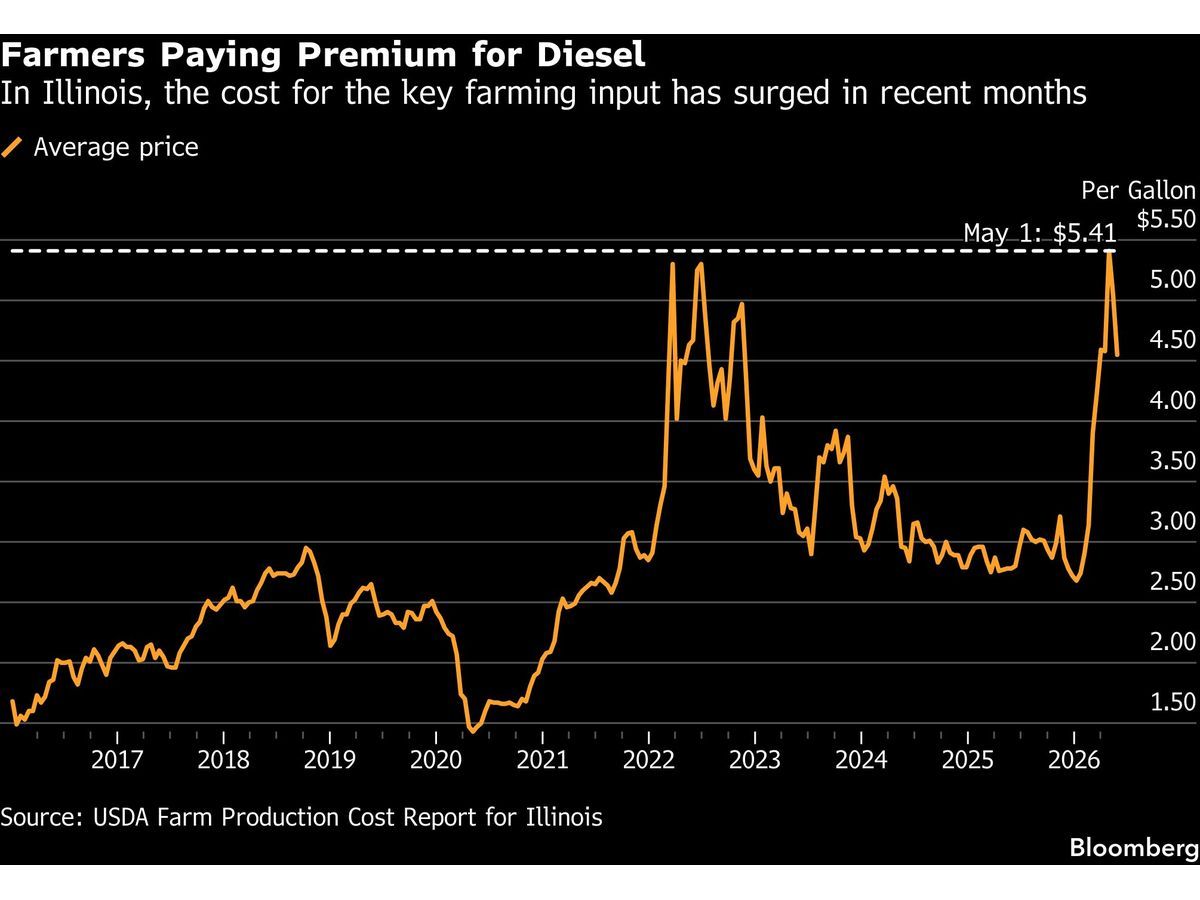
Agricultural sectors across the United States are currently bracing for a severe financial squeeze, as the most significant diesel price shock since 2022 threatens to decimate already razor-thin farming margins. While the immediate crisis is unfolding across the Atlantic, the underlying causes—deepening turmoil in the Middle East and global supply chain disruptions—serve as a stark warning sign for European agriculture.
For farmers in Poland, Germany, and Ukraine, the rising cost of middle distillates like diesel fuel is an ever-present operational risk. Diesel powers the tractors, combines, and transport logistics that form the backbone of modern farming. When global crude and refined product markets tighten, European markets, which are heavily dependent on complex import routes, often feel the price transmission rapidly. The surge in US prices suggests that global refining capacity and logistics are under strain.
Beyond the pump, this energy shock is expected to cascade into other critical agricultural inputs. The production of nitrogen fertilizers and various agrochemicals is notoriously energy-intensive. As geopolitical tensions disrupt traditional trade routes, the cost of manufacturing and shipping these essential crop inputs is poised to climb. European agronomists have already been navigating volatile fertilizer prices over the past two years, and this latest development indicates that stability is still out of reach.
The situation highlights the growing necessity for agricultural businesses to prioritize fuel efficiency and precision agriculture technologies. Farms that have invested in modern, fuel-efficient machinery or GPS-guided systems that minimize overlap during field operations will be better positioned to weather these cost increases. Furthermore, securing advance contracts for fuel and fertilizers might become a crucial risk management strategy for the upcoming planting and harvest seasons.
What this means for the market: This transatlantic price shock underscores the interconnected nature of agricultural input costs, suggesting European farmers should review their fuel and chemical procurement strategies immediately and consider locking in prices before regional ripple effects fully materialize.
— agronom.work editorial team