
US Egg Price Volatility: What It Signals for Global Poultry and Feed Markets
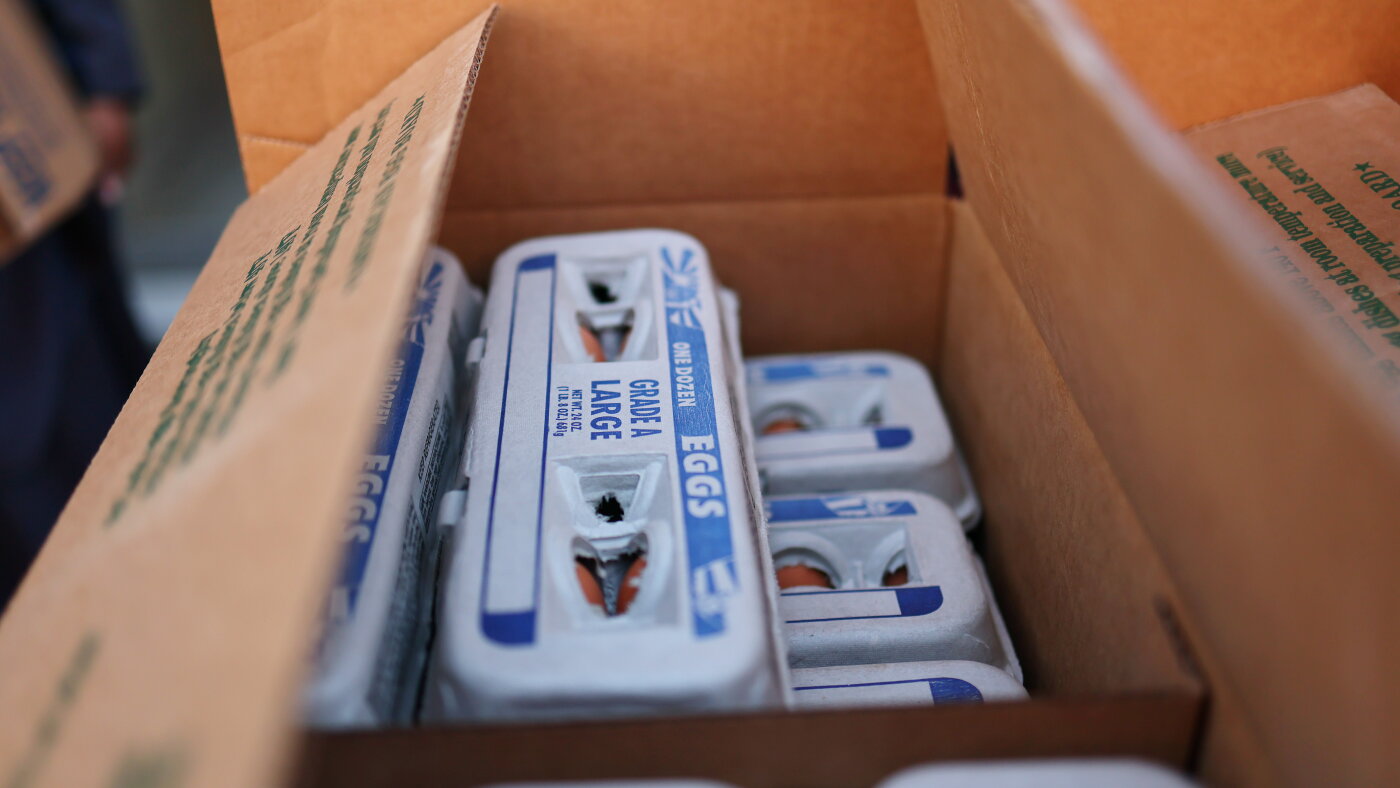
Egg prices across the United States have experienced a noticeable downward correction following the return of Donald Trump to the White House. For months, consumers and food service operators struggled with inflated grocery bills caused primarily by devastating outbreaks of Highly Pathogenic Avian Influenza (HPAI). The resulting culling of millions of layers severely disrupted domestic supply, leaving producers scrambling to rebuild production capacity while grappling with high biosecurity overheads.
Beyond disease management, poultry producers have faced persistent macroeconomic pressures, including shifting tariff policies and geopolitical tensions impacting global commodity markets. While the White House has frequently claimed direct credit for lowering grocery costs, agricultural economists and industry analysts point to a more complex combination of biological recovery, stabilizing feed input costs, and shifting consumer demand patterns as the primary drivers behind the price relief.
For European and global agronomists and farm managers, developments in the US poultry sector serve as an important barometer for international animal protein markets. The US remains a major exporter of feed grains, poultry genetics, and processed egg products. When domestic US prices fall, it can alter export flows, potentially intensifying competition in third-country markets for European exporters operating out of Poland, the Netherlands, and Germany.
Furthermore, the underlying drivers of the US price drop—specifically the easing of HPAI pressure and stabilizing feed grain prices—offer valuable insights into biosecurity management and cost control. Feed represents the single largest operational expenditure in poultry production, often accounting for up to 70% of total costs. As global corn and soybean meal prices fluctuate in response to trade policies and weather patterns, European layer and broiler operations must maintain strict risk management strategies to protect their operating margins.
What this means for the market: While direct competition from US liquid and dried egg products in shared export markets may increase as American production normalizes, European poultry producers should focus on stringent biosecurity protocols and optimized feed efficiency to maintain resilience against global price volatility.
— agronom.work editorial team