
US Farmers Face Another Brutal Year as High Input Costs Wipe Out Crop Revenues
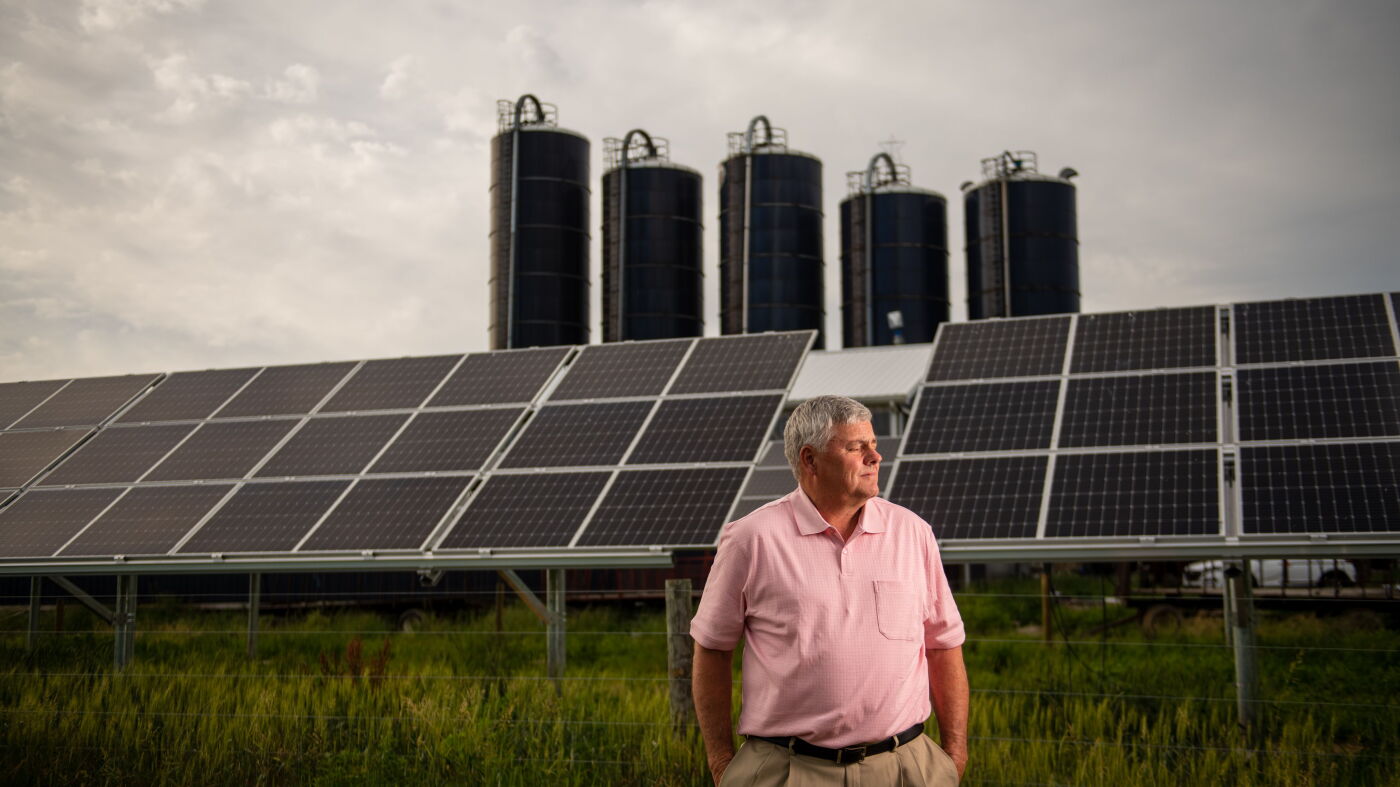
For arable and livestock farmers across the United States, particularly those cultivating major commodity crops like corn, soybeans, and cotton, the current agricultural season is shaping up as an exercise in financial survival. Despite solid agronomic conditions pointing toward promising yields this autumn, persistently elevated operational expenditures are continuing to devour farm-gate revenues. Producers find themselves caught in a severe cost-price squeeze that mirrors the economic pressures felt by grain and livestock operations throughout parts of Western Europe.
Input inflation remains the primary driver behind the crisis. While global commodity prices have experienced downward corrections from their historic peaks, the costs associated with synthetic nitrogen and phosphorus fertilizers, agricultural diesel, seed treatments, and heavy machinery parts have stubbornly refused to retreat proportionally. For mixed operations running both crop and dairy enterprises, such as 700-acre farms managing field crops alongside livestock, razor-thin profit margins leave virtually no cushion against unexpected weather anomalies or localized disease pressures.
This prolonged financial strain is forcing farm managers across key agricultural belts to fundamentally rethink their agronomic strategies. Many are scrutinizing variable-rate fertilizer application technologies, precision soil sampling, and reduced tillage practices not merely for environmental stewardship, but as essential tools to slash input waste. Every dollar spent on crop protection chemicals and NPK fertilizers is being weighed against projected marginal yield increases, shifting the focus from maximizing absolute bushels per hectare to optimizing return on investment per acre.
Furthermore, the prolonged tightness in farm liquidity is rippling through the broader agrifood supply chain, impacting everything from local machinery dealerships to agricultural lenders and crop insurance providers. As credit conditions tighten and interest rates remain elevated, capital investments in new combine harvesters, automated sprayers, and digital farm management systems are being deferred. Farmers are increasingly prioritizing the maintenance of legacy machinery over fleet modernization, creating downstream challenges for equipment manufacturers and agricultural service providers.
Looking ahead, the persistent vulnerability of primary producers in major exporting nations like the US carries significant implications for global grain flows. When North American balance sheets tighten, it influences planting intentions for the upcoming spring, potentially shifting acreage between oilseeds and cereals. For European agronomists and farm operators navigating their own regulatory and cost challenges across Poland, Germany, and neighboring markets, the American struggle highlights a universal agricultural reality: managing input efficiency has become the definitive factor determining farm profitability.