
U.S. Screwworm Facility Delay Threatens Global Beef Supply Chains
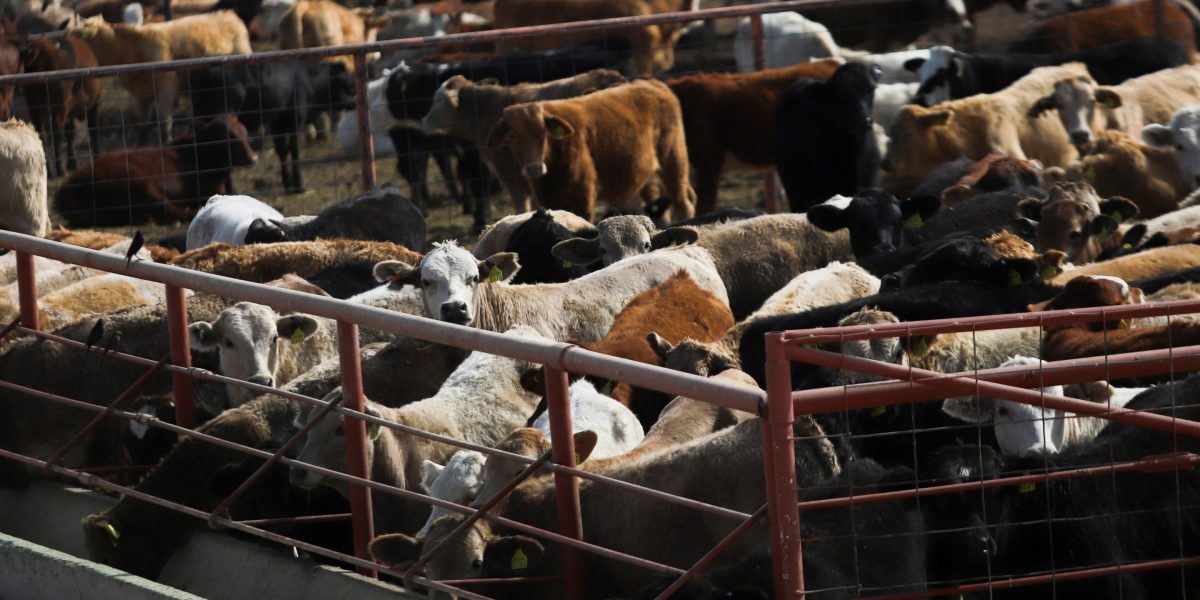
The United States is facing a prolonged battle against a severe outbreak of New World screwworm, a devastating cattle parasite, with the primary biological defense system delayed until late 2027. This setback threatens to inflict significant damage on the North American beef and dairy industries, potentially sending shockwaves through global meat markets.
Screwworms are fly larvae that feed on the living tissue of warm-blooded animals, entering through minor wounds such as those from shearing, castration, or even tick bites. Left untreated, an infestation can kill a mature cow or sheep within weeks. For livestock farmers, an outbreak means intensive daily herd monitoring, increased veterinary costs, and significant losses in both meat quality and animal life.
The cornerstone of controlling this pest has historically been the Sterile Insect Technique (SIT), an innovative biological control method where millions of sterilized male flies are released to mate with wild females, causing the population to crash. However, the specialized facility required to breed and sterilize these flies in sufficient numbers is not expected to be fully operational until November 2027.
Until the sterile fly program ramps up, North American producers are forced to rely on labor-intensive chemical treatments, strict quarantine zones, and movement restrictions. For the global agricultural sector, this delay means a major beef exporter will be managing a severe biosecurity crisis for at least another two to three years, likely reducing export volumes and driving up international beef prices.
European livestock producers should pay close attention to this development, as prolonged outbreaks in major exporting countries often lead to shifts in global supply chains. Furthermore, this situation underscores the critical importance of rigorous border biosecurity; while Europe is currently free of New World screwworm, the modern speed of global livestock and genetic material transport means regional diseases can rapidly become global threats if vigilance drops.
Context for farmers: While the screwworm outbreak is geographically isolated to the Americas, the resulting strain on U.S. beef production could open up export opportunities for European producers in the medium term. Additionally, anyone importing live breeding stock from affected regions must maintain maximum quarantine protocols to prevent accidentally introducing this catastrophic parasite to European herds.
— agronom.work editorial team