
US Trade Policy Shifts: The Growing Risk to European Agricultural Exports
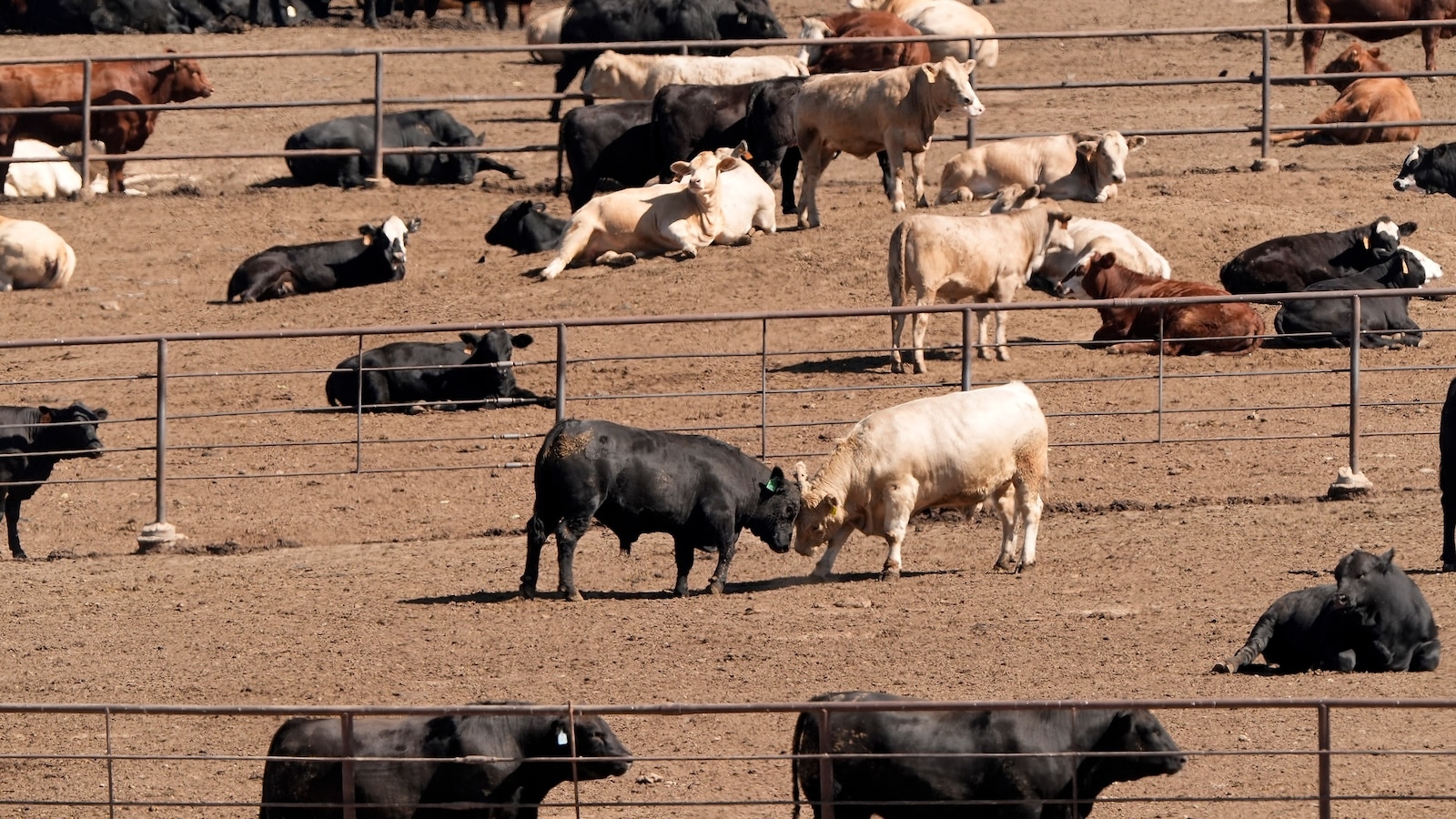
Recent discourse in the United States regarding aggressive tariff structures and trade protectionism is creating ripples that extend far beyond American borders. For European farmers and agribusinesses, any shift toward isolationist trade policies in the US—a key global partner and competitor—could lead to significant market volatility. While the focus remains on domestic cattle producers in the American Midwest, the secondary effects of such policies often materialize as retaliatory tariffs or global price fluctuations in key commodities like beef and grain.
For European producers, the primary concern lies in the potential for trade wars to disrupt established supply chains. If the US implements strict tariff barriers, major trading partners often respond with reciprocal duties on agricultural goods. This dynamic has historically pushed European exports into precarious positions, limiting market access and forcing farmers to contend with sudden surpluses that suppress local pricing.
Furthermore, rising input costs—already strained by geopolitical conflicts and energy market fluctuations—become even harder to manage when global trade policies turn unpredictable. When large economies pivot toward protectionism, the cost of imported inputs such as specialized machinery, advanced agricultural software, or specific chemical fertilizers often sees an uptick due to global supply chain friction.
The current instability also poses risks for livestock producers who depend on steady market access. Should the US market become more restrictive, the resulting global supply glut could force European beef and dairy farmers to compete against a surge of redirected global stock, inevitably driving down margins at the farm gate. Monitoring these political shifts is essential for long-term production planning and risk management.
What this means for the market: European farmers should prepare for increased volatility in input pricing and potential shifts in export demand as global trade relations tighten. It is advisable to review hedging strategies for key commodities and maintain flexibility in supply chain operations to mitigate the risk of sudden trade disruptions.
— agronom.work editorial team