
US Tariffs and Whey Shortage: What European Dairy Producers Should Expect
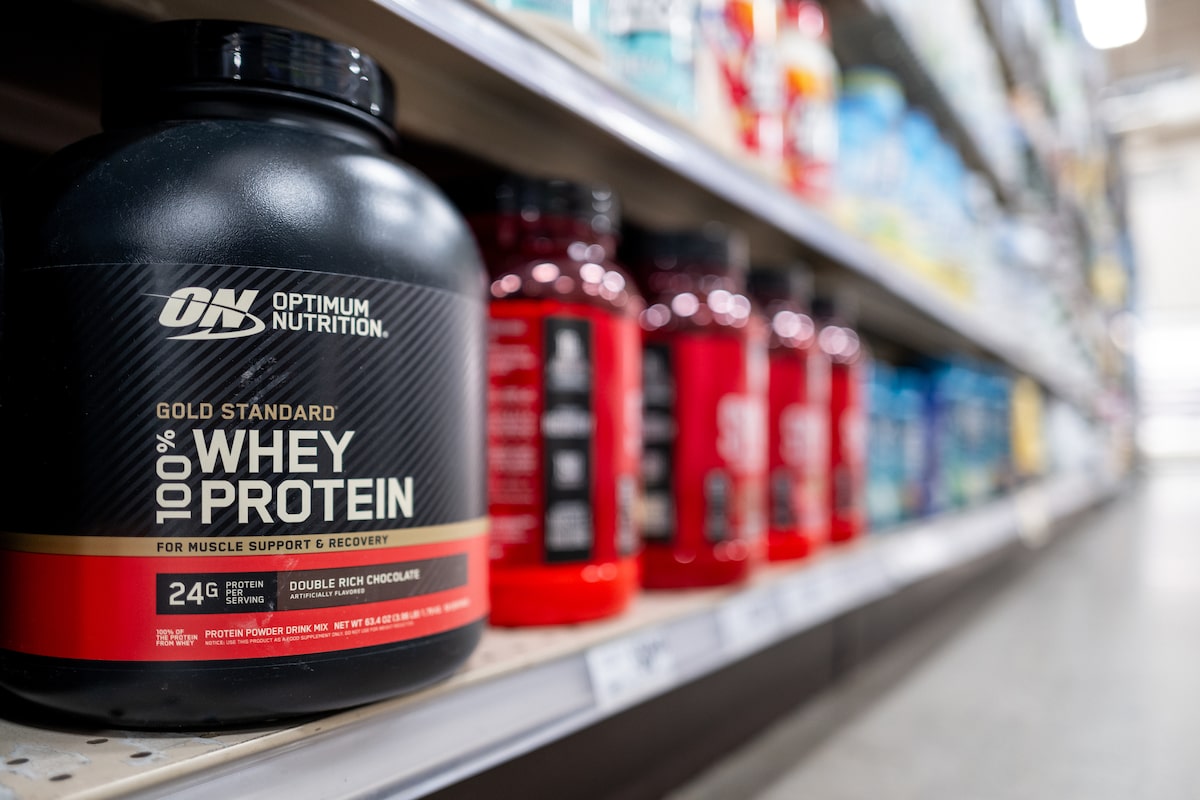
Recent reports from the U.S. Department of Agriculture confirm that American suppliers have exhausted their whey stocks for the remainder of the year. This supply crunch, occurring amidst a period of rising global demand for dairy derivatives, is being further complicated by shifting trade policies in Washington targeting Canadian imports.
For European dairy processors and cooperatives, this creates a volatile market environment. As U.S. supply dries up, international buyers who typically source from North America are increasingly turning to EU markets to fill the gap. This shift is likely to put upward pressure on whey prices within the European Union, affecting everything from infant formula production to sports nutrition manufacturing.
The protectionist stance from the U.S. often leads to retaliatory trade measures or market imbalances that ripple across the Atlantic. European producers currently hold a competitive advantage due to the high quality of their whey streams, but they must now navigate potential shifts in trade flow that could lead to sudden price spikes or supply chain bottlenecks for downstream feed and food manufacturers.
Furthermore, this development highlights the fragility of global supply chains for high-value dairy ingredients. For farm-level producers, while the current demand for whey is positive for milk value, it also underscores the need for processing plants to be agile in their distribution strategies to capture premiums in an undersupplied market.
What this means for the market: European dairy farmers and cooperatives should anticipate a period of high price volatility for whey products, which may support higher farm-gate milk prices. Producers should monitor these global trade developments closely, as a shift in U.S. trade policy could lead to increased demand for EU-sourced dairy proteins in the coming months.
— agronom.work editorial team