
Avian Influenza: Could Vaccination Be the New Standard for European Poultry?
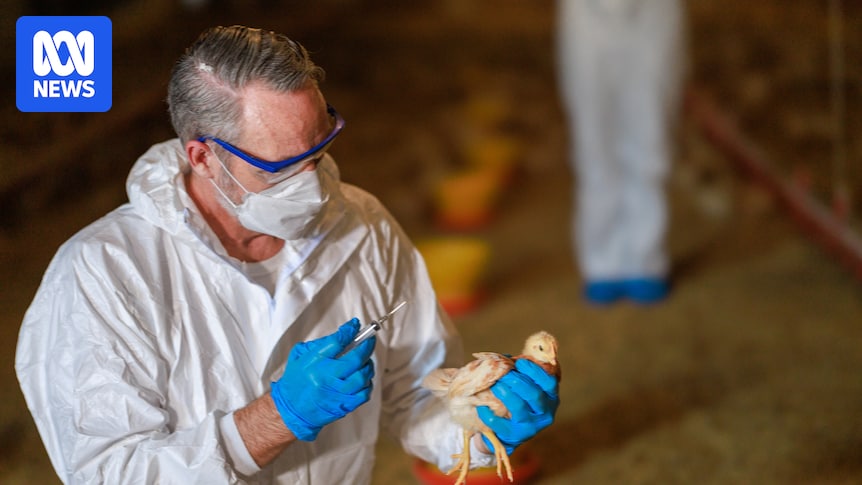
The persistent threat of Highly Pathogenic Avian Influenza (HPAI) is forcing a rethink of biosecurity strategies across the European Union. While traditional culling methods have been the primary defense against outbreaks, the economic toll on commercial poultry operations has become increasingly unsustainable, leading industry leaders and regulators to revisit the role of vaccination.
For European poultry producers, the adoption of vaccination is not merely a technical choice but a complex regulatory hurdle. Vaccination programs require stringent surveillance to distinguish between vaccinated birds and those infected by field viruses. This is essential for maintaining international trade standards, as many non-EU countries maintain strict import bans on poultry from regions that utilize vaccination, fearing that hidden cases could slip through borders.
Technical advancements have brought us closer to effective, DIVA-compliant (Differentiating Infected from Vaccinated Animals) vaccines. These allow lab tests to identify the presence of wild-type influenza even in vaccinated flocks. However, integrating these into large-scale commercial operations requires significant investments in diagnostics and consistent, EU-wide coordination to ensure that regional disease status is accurately reported to trade partners.
Beyond the logistical costs, farmers must consider the public health implications. By reducing the overall viral load in the environment, mass vaccination of commercial flocks could theoretically lower the risk of zoonotic spillover to humans and wildlife. However, vaccines are rarely 100% effective, meaning they must be used as an additional layer of defense, not a replacement for rigorous on-farm biosecurity protocols such as wildlife netting and strict personnel hygiene.
Context for farmers: While moving toward vaccination can provide a critical safety net against catastrophic losses, it does not currently remove the need for strict export certification and biosecurity measures. Producers should stay informed on local government rollout programs, as these will likely be tiered by sector and region to manage trade risks effectively.
— agronom.work editorial team