
Virtual Fencing Moves Beyond Hype to Prove Its Worth on Livestock Farms
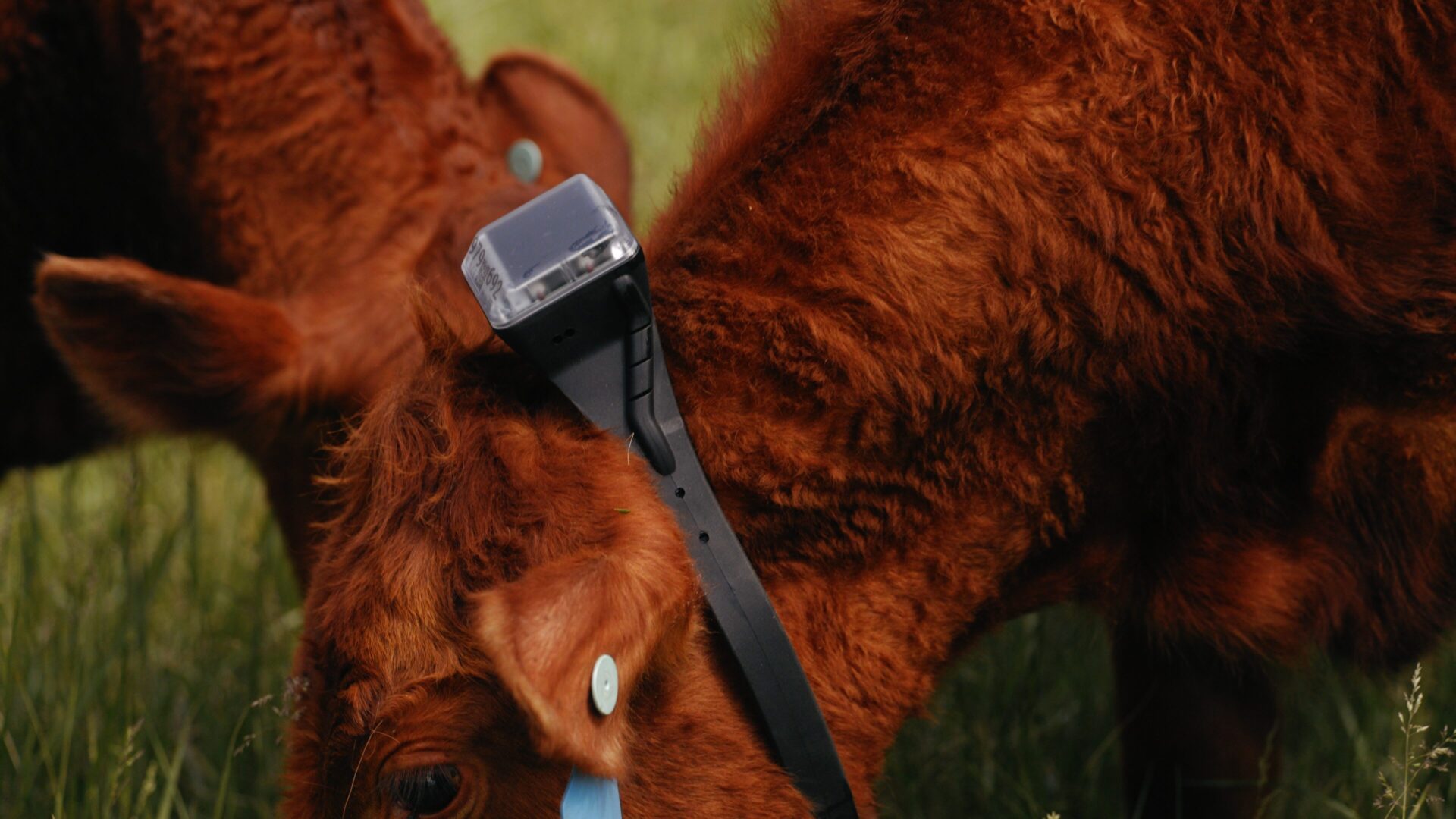
Virtual fencing is rapidly transitioning from a speculative venture capital talking point into a tangible tool for livestock managers across the globe. Propelled by massive funding rounds for companies like New Zealand-based Halter and European suppliers such as NoFence and Monil, the technology is drawing comparisons to the late-19th-century introduction of barbed wire. By combining GPS-enabled collars, cloud software, and mild audio-tactile stimuli, these systems allow farmers to manage grazing patterns without stretching physical wire across thousands of acres.
For beef and dairy producers operating in expansive or rugged terrain, the primary driver for adoption is often labor efficiency. Traditional rotational grazing—moving herds frequently to maximize forage quality and land recovery—demands immense manual effort to string and reel temporary polywire. With virtual boundaries controlled remotely via smartphone or desktop software, farmers can shift herds multiple times a day from an office or truck, effectively removing one of the most tedious daily chores on the ranch.
Beyond basic containment, the true value of these collars lies in precision livestock management. The integrated hardware continuously tracks animal movements, health indicators, and grazing habits, giving operators granular insights into herd performance. In mountainous regions or fragile ecosystems where building physical fences is impractical or restricted by environmental laws, virtual boundaries open up previously inaccessible pasture while protecting sensitive riparian corridors along streams and rivers.
However, the rapid expansion of wearable livestock tech has brought critical challenges to the forefront, particularly regarding data privacy and ownership. While providers like NoFence explicitly grant users full ownership of their operational data, other manufacturers retain rights to aggregated solution data and machine learning inputs. Industry experts urge farmers to scrutinize terms of service carefully to prevent sensitive grazing metrics and livestock movements from being commercialized without explicit consent or exposed to third-party oversight.
Ultimately, agricultural specialists emphasize that GPS collars are precision tools rather than replacements for fundamental stockmanship and animal husbandry. Success requires active management, routine monitoring, and a willingness to adapt traditional grazing routines rather than relying on a set-and-forget mentality. As hardware costs gradually decrease and software reliability improves, wearable tech is steadily cementing its place as a standard fixture in modern livestock operations.
Context for farmers: While virtual fencing drastically cuts labor requirements for rotational grazing and unlocks difficult terrain, producers must carefully evaluate subscription costs against data privacy agreements before committing long-term. Treating these collars as management enhancements rather than complete replacements for field stockmanship ensures better integration into existing ranch workflows.
— agronom.work editorial team