
Bluetongue Virus Emerges in Scotland: What Farmers Need to Know
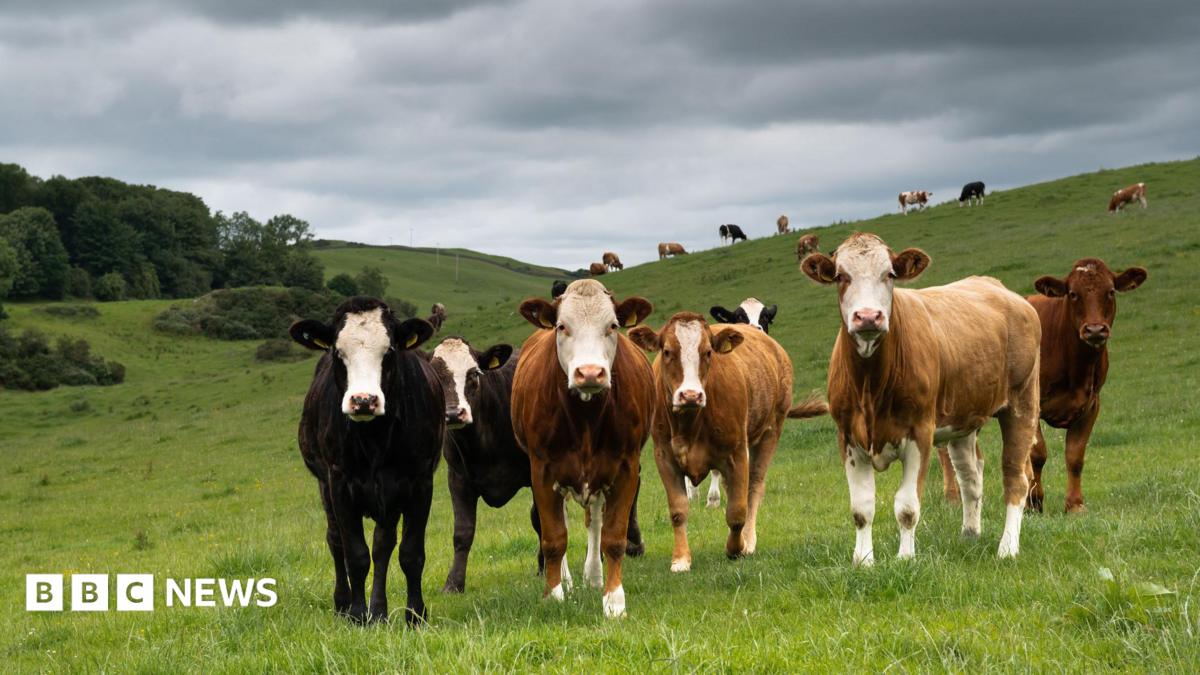
The discovery of the first case of bluetongue serotype 3 (BTV-3) in Dumfries and Galloway marks a significant shift in the disease landscape for Scottish agriculture. While currently limited to a single animal, the presence of this virus in a new region raises concerns for the broader UK livestock industry, which is already grappling with fluctuating outbreaks across Europe.
Bluetongue is primarily transmitted by biting midges (Culicoides), which thrive in specific weather conditions. The virus does not affect humans or pose a food safety risk, but it is devastating for sheep and cattle, often causing high mortality, reduced milk yields, and severe welfare issues. For farmers, an outbreak often triggers strict movement restrictions and mandatory testing protocols that can paralyze farm operations for months.
Scottish veterinary authorities are urging producers to be vigilant. Monitoring for clinical signs, such as swelling of the head and tongue, lameness, or lethargy, is critical. Because the virus is vector-borne, its spread is highly dependent on wind patterns and temperature, making it notoriously difficult to contain once local midge populations become infected.
The current guidance centers on vaccination as the primary defense. Unlike some other diseases that can be contained through culling alone, the midge-borne nature of bluetongue makes proactive immunization the most reliable tool for mitigating economic losses. Farmers are advised to consult their local vet to check the availability and suitability of vaccines for their specific herds and flocks.
Context for farmers: The arrival of the virus in Scotland indicates that the geographical range of bluetongue is expanding, likely linked to warming climate patterns. Producers should prepare for potential livestock movement restrictions and prioritize biosecurity, as vaccination and keeping a close eye on vector activity remain your best defense against localized outbreaks and potential trade complications.
— agronom.work editorial team