
Wet Fall Weather Threatens Corn Belt Harvest and Field Operations
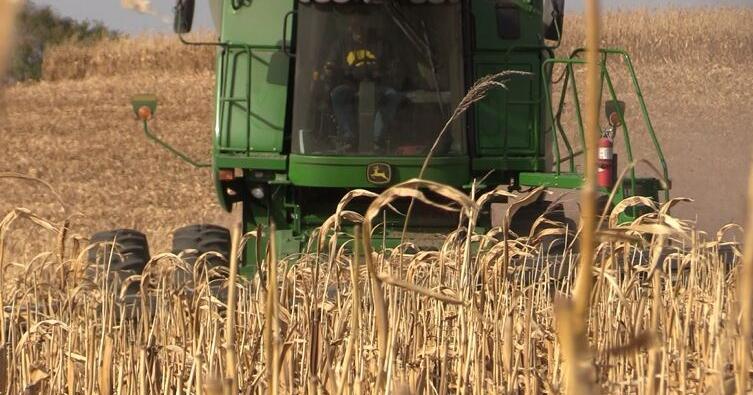
Harvest operations across the critical agricultural heartland of the Corn Belt are facing significant disruptions this season. While the combine headers are rolling to gather mature crops, persistent autumn precipitation has transformed routine fieldwork into a logistical challenge. Agronomists note that excessive soil moisture is not only slowing down the pace of gathering grain but is also introducing secondary agronomic risks that will impact farm balance sheets.
For grain producers, particularly in key production states like Iowa, dealing with saturated soils during heavy machinery operations is a primary concern. Heavy combines, grain carts, and transport trucks rolling over wet ground lead directly to severe soil compaction. This subsoil damage can restrict root development and water infiltration for the following growing season, creating long-term management hurdles for farm operators who pride themselves on soil health practices.
Beyond physical field conditions, the high moisture content of the grain itself is driving up operational overhead. Crops coming out of wet fields require artificial drying before they can be safely stored in bins or delivered to elevators without risking spoilage or dockages. With energy prices fluctuating across agricultural sectors, increased propane and electricity usage for grain drying will noticeably eat into farmers' net margins this harvest cycle.
Logistical bottlenecks are also compounding the situation at local grain elevators and on-farm storage facilities. When harvest windows narrow due to sudden rain events, the pressure to rush fieldwork during dry intervals leads to a sudden surge in delivered grain volumes. Elevators often experience long queues, and managing high-moisture grain requires constant monitoring of aeration fans and temperature cables to prevent mycotoxin development and quality degradation.
Context for farmers: Managing a wet harvest requires strict attention to equipment weight distribution, timely grain testing, and close coordination with local grain buyers to avoid storage penalties. Similar weather patterns in European grain-producing regions regularly remind us of the importance of maintaining flexible drying infrastructure and protecting field structure during adverse autumn conditions.
— agronom.work editorial team