
Unlocking Hemp’s Water Needs: New Tech Provides Data for European Farmers
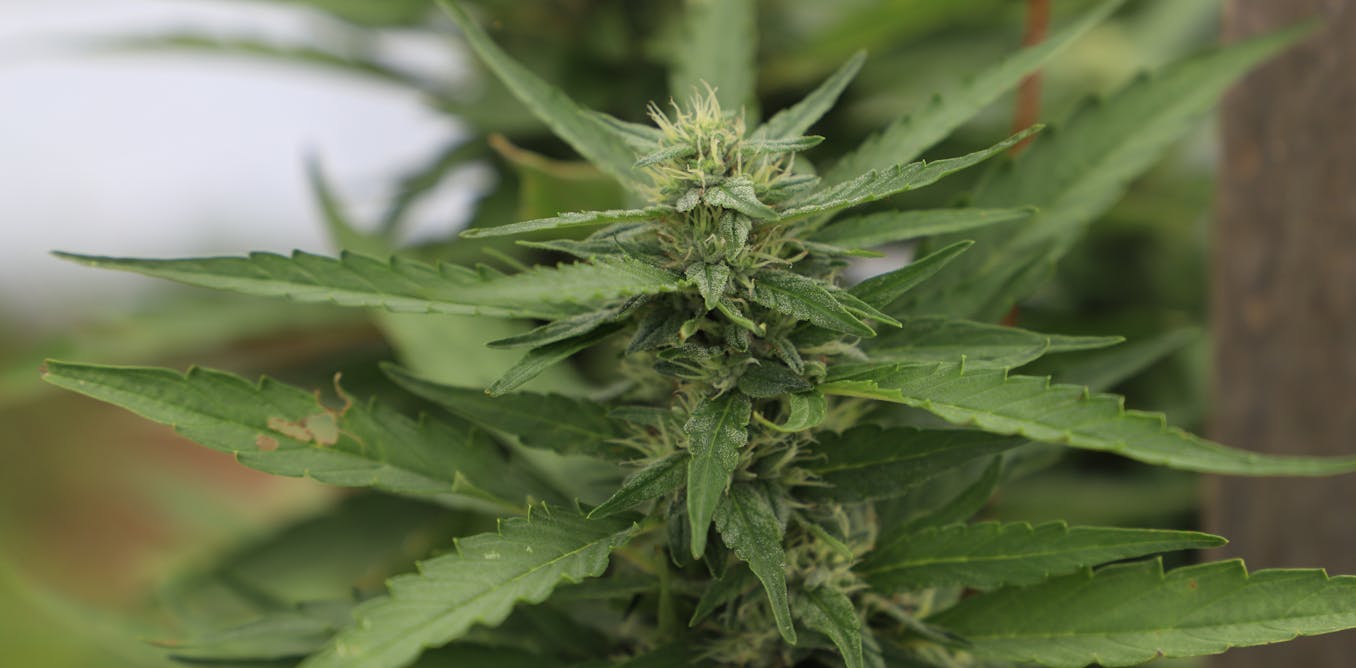
Hemp has long been touted as a sustainable alternative to traditional crops, often cited for its resilience and fiber utility. However, anecdotal claims about its water efficiency have historically lacked rigorous, site-specific data. New research utilizing drone technology and advanced ground sensors is finally mapping the actual evapotranspiration rates of industrial hemp, providing a scientific basis for water management strategies.
For farmers in Europe, where hemp cultivation is regaining popularity as a carbon-sequestering rotation crop, this data is invaluable. Accurate measurements of how much water cannabis sativa varieties consume throughout their lifecycle can significantly improve irrigation scheduling. By avoiding over-irrigation, producers can minimize operational costs related to water pumping and improve the overall sustainability profile of their harvest.
The study highlights how aerial imagery can be integrated into precision agriculture workflows to monitor crop stress in real-time. In regions like the Netherlands or Germany, where water regulation is becoming increasingly strict due to persistent dry spells, such monitoring tools allow agronomists to prove efficient resource utilization to environmental regulators, potentially easing permit processes for expanded production.
As the European market for hemp fibers in construction, textiles, and bioplastics continues to grow, optimizing inputs becomes a key competitive advantage. Understanding that hemp’s water footprint is dynamic based on plant density and local microclimates allows for more sophisticated agronomic planning. Farmers can now shift from guesswork to data-driven decision-making when selecting hemp varieties for their specific soil types.
Context for farmers: Precision water management using drone-based sensors allows for reduced input costs and better compliance with tightening environmental regulations. By leveraging this data, European growers can effectively treat hemp as a high-performance industrial crop rather than relying on historical generalizations.
— agronom.work editorial team