
El Niño and Geopolitical Risks: Preparing for Commodity Price Volatility
Farmers across Europe are facing a two-pronged threat as weather volatility driven by a strong El Niño pattern coincides with heightening geopolitical instability. These global shifts are creating a 'perfect storm' that threatens to push up the cost of essential agricultural inputs while complicating international trade logistics.
El Niño traditionally disrupts global precipitation and temperature patterns, directly impacting the yields of major grain-producing regions. For the European agricultural sector, the immediate concern lies in how global commodity markets react to potential supply shortages elsewhere, which often leads to price surges for fertilizers, fuel, and feed ingredients.
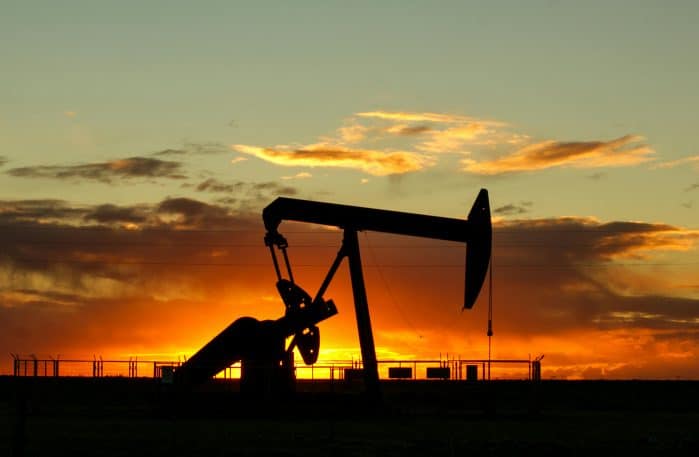
Geopolitical tensions in the Middle East have historically acted as an inflationary catalyst for energy prices. Since agriculture is energy-intensive—relying heavily on diesel for machinery and natural gas for nitrogen fertilizer production—any disruption in energy shipping lanes translates directly into higher production costs for European growers.
As supply chains remain sensitive, agronomists are advising a shift toward tighter input management and hedging strategies. While European crops might not be directly in the path of El Niño's most extreme drought effects, the global nature of the commodities market means that domestic prices will inevitably fluctuate in response to international scarcity concerns.
Context for farmers: Farmers should prepare for high input price volatility in the coming season by securing fertilizer supplies early and evaluating risk-mitigation tools. Increased reliance on domestic energy sources and optimizing application efficiency can provide a buffer against rising global energy costs.
— agronom.work editorial team