
Washington Confirms First H5N1 Bird Flu Cases in Dairy Cattle
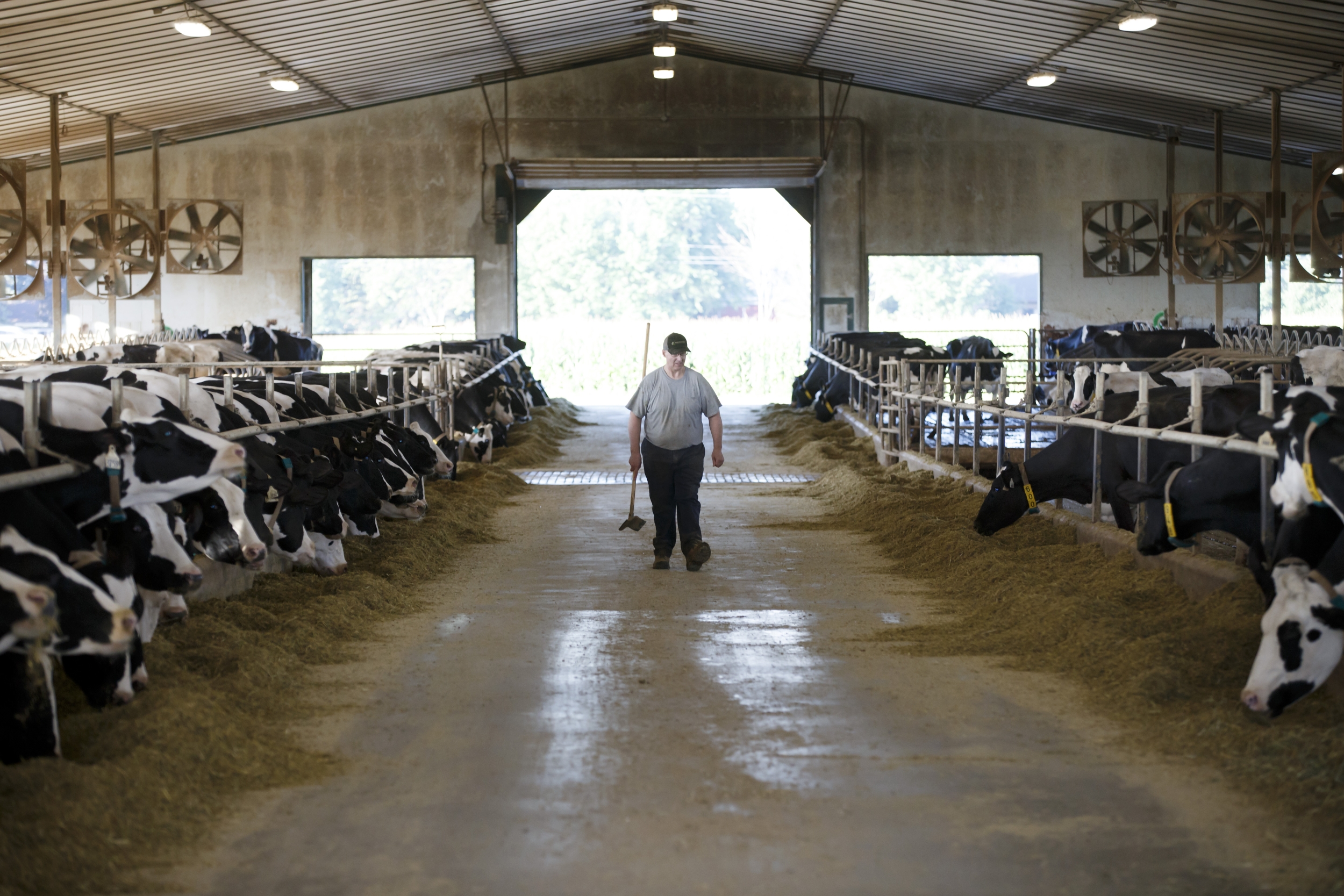
State and federal agricultural authorities have confirmed the first-ever cases of highly pathogenic avian influenza (H5N1) in dairy cattle within Washington State. Two commercial dairy farms located in Yakima County have been placed under strict quarantine following positive confirmations from the National Veterinary Services Laboratories. This development marks another significant geographic expansion of the virus among North American dairy herds, highlighting ongoing biosecurity vulnerabilities in intensive livestock production.
The quarantine measures mean that animal movements off the affected premises are restricted to prevent any potential lateral spread of the pathogen to neighboring agricultural facilities. State veterinarians and animal health officials are currently conducting epidemiological investigations to trace animal shipments, milk transport trucks, and equipment shared between farms. While milk pasteurization ensures that commercial dairy products remain safe for consumers, the presence of the virus in live animals presents direct occupational health challenges for milkers, herdsmen, and farm managers.
For dairy farm operators across the region, this incident serves as a stark reminder to reinforce strict on-farm biosecurity protocols. Veterinary agencies recommend limiting visitor access, disinfecting transport vehicles entering and leaving milking parlors, and monitoring herds closely for clinical signs such as a sudden drop in milk production, thickened or abnormal colostrum, and lethargy. As the virus continues to circulate in both wild bird populations and mammalian vectors, farm workers handling potentially infected livestock are advised to utilize appropriate personal protective equipment.
The detection in Yakima County also underscores the broader economic and regulatory pressures facing the livestock sector as H5N1 adapts to new hosts. Inter-state transport restrictions, potential trade implications, and increased veterinary surveillance costs can weigh heavily on farm profit margins during an already challenging market cycle. Producers are increasingly investing in better sanitation infrastructure and employee training to mitigate the risk of an outbreak that could devastate herd productivity.
As federal and state agencies continue to monitor the situation, the primary focus remains on containing the virus within the quarantined zone and supporting affected producers through biosecurity interventions. Agronomists and livestock extension specialists urge all dairy operators to remain vigilant, review their emergency response plans, and maintain close communication with state veterinarians regarding any unusual health events in their herds.