
Washington Dairy Herds Hit by H5N1 as Biosecurity and Worker Safety Scrutiny Grows
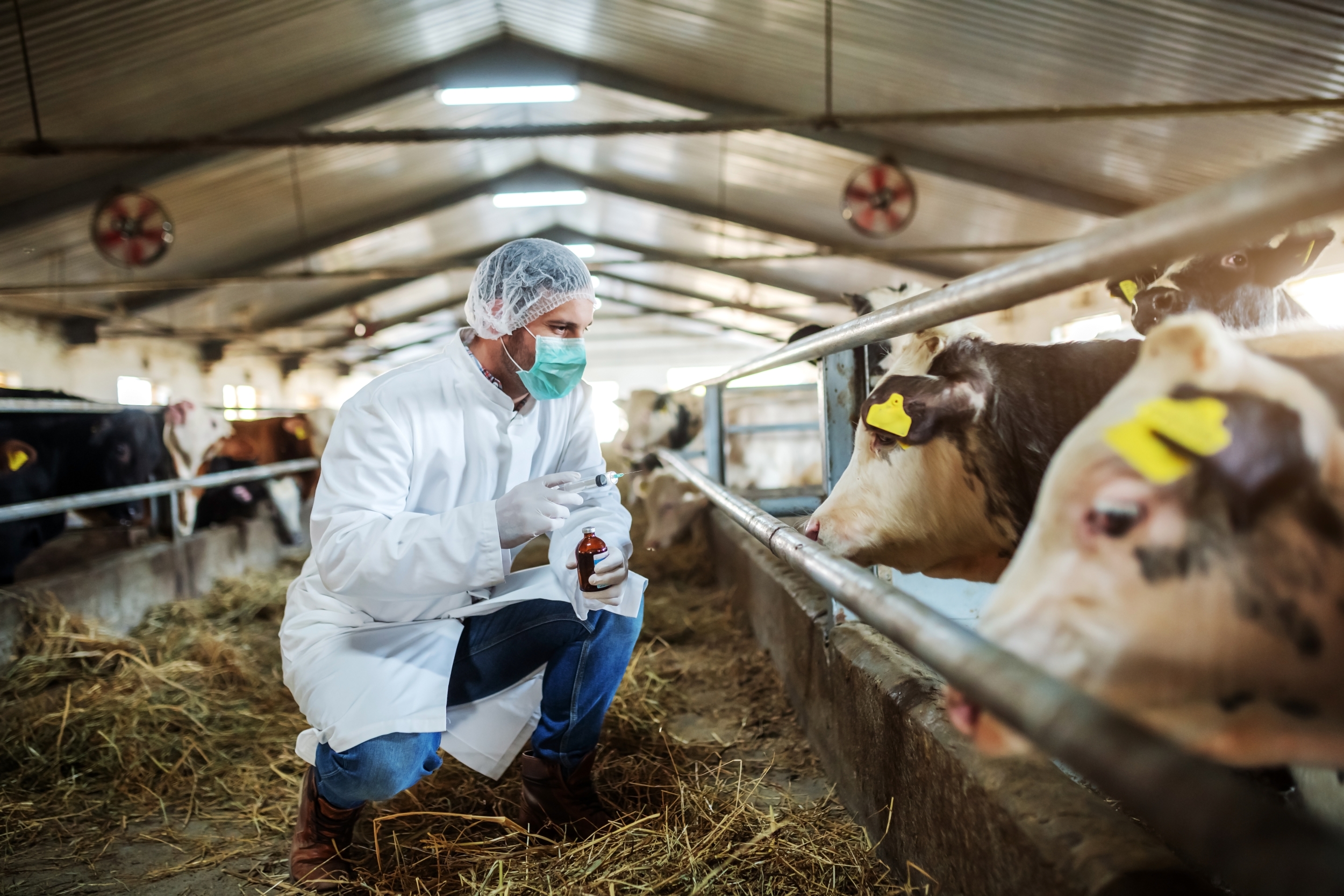
The ongoing spread of the highly pathogenic avian influenza (H5N1) across dairy operations in Washington state has reached 40 confirmed herds, underscoring the relentless persistence of the virus within livestock sectors. While the vast majority of European dairy farms operate under significantly different herd structures and housing systems compared to large-scale American dry-lot dairies, the underlying biological risks remain universally shared by livestock producers worldwide.
For dairy farmers and agronomists across the European Union, the American experience serves as a stark reminder of how rapidly vector-borne and direct-contact pathogens can move through regional cattle populations if rigorous on-farm biosecurity protocols lapse. The USDA and state agricultural agencies have been tracking the transmission vectors closely, noting that shared equipment, inter-state livestock movement, and wild bird vectors continue to challenge containment efforts on intensive dairy facilities.
Beyond animal health and potential milk yield depressions in infected herds, the situation in Washington highlights critical occupational health dimensions. Reports indicating a lack of widespread public reporting on exposed farmworker testing numbers following localized human cases have intensified discussions regarding personal protective equipment standards in agricultural workplaces. European agricultural labor inspectorates and farm safety organizations frequently emphasize mandatory PPE usage during outbreaks, yet compliance and practical enforcement remain an ongoing challenge on many family-owned and corporate dairy holdings alike.
From a supply chain and market perspective, widespread H5N1 outbreaks in dairy cattle inevitably trigger consumer confidence questions, even though pasteurization effectively neutralizes the virus in commercial milk supplies. European dairy processors and trade associations monitor these transatlantic developments closely to anticipate potential shifts in export sentiment, consumer perception, and sanitary regulations governing milk processing plants.
Context for farmers: European dairy producers must maintain stringent biosecurity measures, restrict unauthorized visitor access, and enforce strict personal protective equipment protocols for workers handling sick animals to prevent potential viral crossover and herd infection.
— agronom.work editorial team