
Western Australian Farmers Face Devastating Mouse Plague Amid Bait Approval Delays
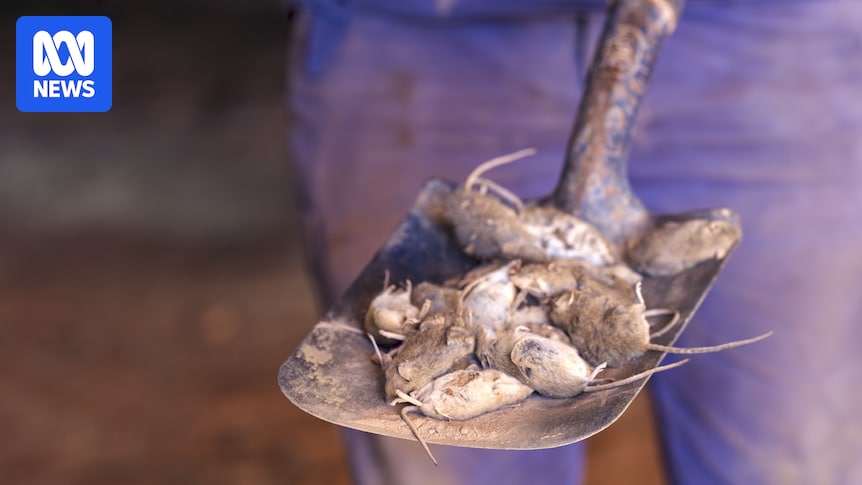
A severe mouse plague north-east of Perth in Western Australia has reached catastrophic levels for rural communities. The sheer volume of rodents is so extreme that local residents describe driving on the roads as feeling like "popping bubble wrap." However, for the agricultural sector, this is far more than a disturbing sight; it is a critical threat to farm operations and regional food security.
For farmers, an uncontrolled pest outbreak of this magnitude translates to immense financial risk. Mice actively consume planted seeds, devastate emerging winter crops, and contaminate stored grain with droppings, significantly downgrading crop quality. Furthermore, rodents frequently chew through electrical wiring in tractors, harvesters, and expensive agritech systems, causing costly repairs and critical downtime during busy farming seasons.
The most pressing issue exacerbating the crisis is a significant regulatory bottleneck. Agricultural businesses currently do not have the required government permission to deploy high-strength baits needed to knock down the surging population. This administrative delay leaves farmers fighting a massive infestation with inadequate tools, highlighting a major vulnerability in pest management frameworks.
In Australia, these intense population explosions typically follow periods of drought broken by heavy rains, leading to abundant vegetative growth that provides a perfect breeding environment. While European agricultural conditions differ, the core challenge remains universally relevant: favorable climatic conditions can trigger rapid pest multiplication that demands an immediate, unhindered response to protect yields.
Worth noting: The delayed access to emergency high-strength baits in Australia serves as a stark reminder for agricultural businesses to maintain rigorous, proactive pest monitoring protocols on-farm, ensuring rapid response capabilities before a population explosion necessitates emergency regulatory approvals.
— agronom.work editorial team